
Enamorada
1946
No user ratings available yet
Representation score: 4.6 out of 10
Representation Score
Fair
1943
TV-PGDirector
Emilio Fernández
Runtime
94 minutes
Average Rating
No ratings yetNew Showbiz Analysis
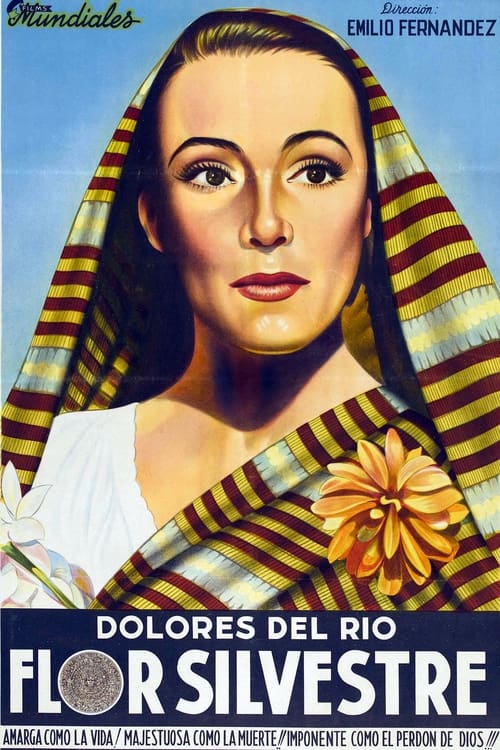
Wild Flower stands as a vital piece of Mexican cinema that challenges Western-centric storytelling norms. By using an 'Indigenismo' style, the film elevates the rural peasantry and indigenous identities to the forefront of the narrative. The film successfully challenges gender clichés, allowing the female protagonist to evolve from a romantic interest into a politically active leader. This transition provides a layer of ability to act often missing from mid-century dramas. While the film operates within a romantic framework, its core is a critique of socioeconomic hierarchies. It positions the underrepresented working class as the primary drivers of both historical and emotional momentum.
Category Breakdown
The film focuses on a traditional romantic relationship between heterosexual partners. There is no indication of queer subtext or non-cisgender identities in the storyline.
Esperanza challenges traditional hierarchies by gaining significant political influence. She evolves from a romantic partner to a political actor, continuing the revolutionary tradition.
The film prioritizes a non-white majority cast by highlighting indigenous characters and the rural peasantry. It validates Mexican ethnic identity as the central cultural perspective.
The narrative critiques systemic inequality by showing conflicts between the peasantry and the landed elite. It frames the working-class struggle as a central moral issue.
There is no documented evidence regarding the portrayal of physical or neurodivergent disabilities in the film.
Present on Screen
Limited or Absent
Official Synopsis
The film features Fernandez himself as a character named Rogellio Torres. The lion's share of the footage, however, is devoted to the romance between Esperanza, granddaughter of a common laborer, and Jose Luis Castro, the firebrand son of a landowner. Joining a revolutionary movements, Castro is disowned by his father, but Esperanza remains loyally by his side. Later on, Castro's father is killed by outlaws; in seeking vengeance, he sacrifices his own life, while Esperanza carries on his revolutionary work with their young son in tow.
1946
1957
1959

1959
1938
1995

1951
1976
No reviews yet. Be the first to share your thoughts on this movie!
Use the rating form above to leave a star rating and optional review.