Sonny Boy
2011
No user ratings available yet
Diversity score: 6.2 out of 10
1976
TV-PGDirector
Eddie Romero
Runtime
125 minutes
Average Rating
No ratings yetSynopsis
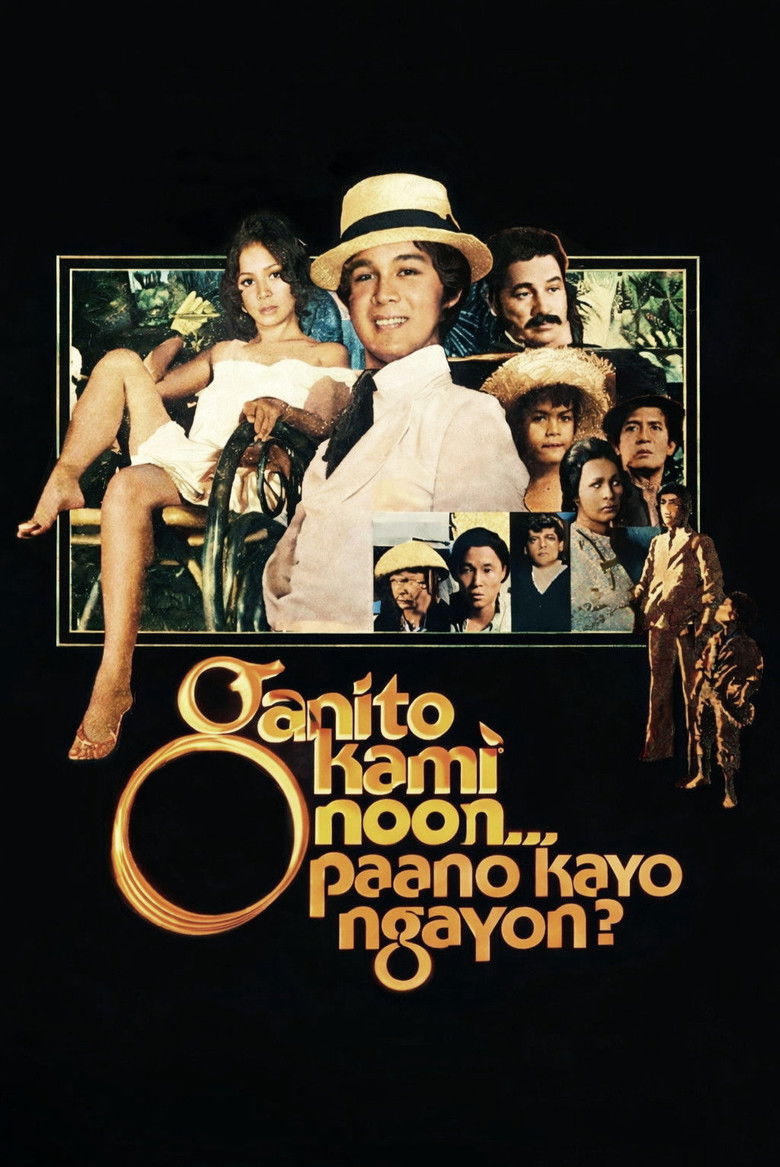
Set at the turn of the 20th century during the Filipino revolution against the Spaniards and, later, the American colonizers, it follows a naive peasant through his leap of faith to become a member of an imagined community.
Overall Score
Good
Category Breakdown
LGBTQ+ Representation
The film focuses on the evolution of national identity and social strata. There is no explicit evidence of queer subtext or non-cisnormative identities present.
Gender Representation
The narrative reflects the socio-political realities of the 1900s, often placing women in domestic roles. However, it explores power dynamics that challenge rigid colonial hierarchies.
Racial & Ethnic Diversity
The film excels by centering a non-Western majority cast. It provides a profound exploration of indigenous agency during the collision of Spanish and American colonial interests.
Religious & Cultural Diversity
The story critiques Western colonial institutions as disruptive forces. It prioritizes localized morality over the imposition of foreign religious or political ideals.
Disability Representation
There is no significant evidence regarding the portrayal of physical or neurodivergent disabilities within the narrative.
Strengths
Areas for Improvement
AI Analysis
Eddie Romero’s film is a sophisticated deconstruction of colonial power, moving away from 'Great Man' historical tropes to focus on the lived experience of a peasant. It successfully reclaims the national narrative by centering indigenous agency during a period of systemic upheaval. The film's strength lies in its ability to frame Filipino identity as a developing, nuanced community rather than a monolith. By critiquing both Spanish and American imperialist structures, it offers a localized perspective on sovereignty and identity. However, the film remains bound by the traditional social roles of its era. The lack of visible LGBTQ+ representation and the presence of period-typical gender roles limit its scope of inclusivity.
2011

1943
1943

2013

1946
1959

2004
1961
1976
1975
1994

2006
No reviews yet. Be the first to share your thoughts on this movie!
Use the rating form above to leave a star rating and optional review.