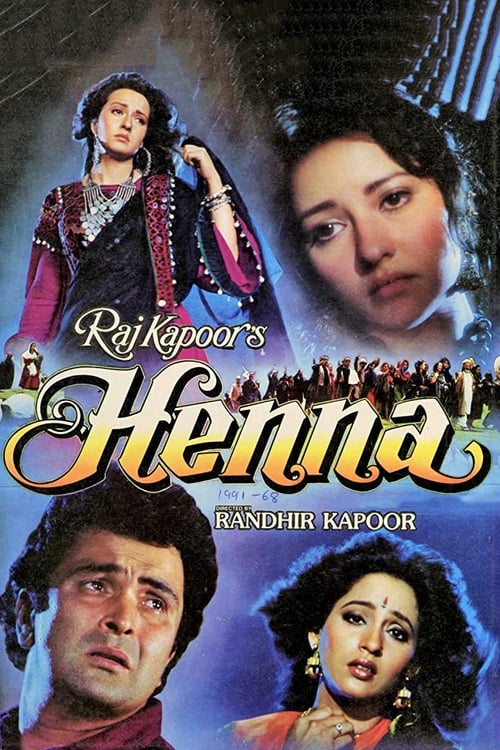
Henna
1991
No user ratings available yet
Representation score: 4.7 out of 10

Representation Score
Good
2003
Director
Chandra Prakash Dwivedi
Runtime
188 minutes
Average Rating
No ratings yetNew Showbiz Analysis
Pinjar is a sophisticated historical drama that explores the intersections of gender and religion. It excels by centering a female protagonist's psychological resilience amidst the chaos of the Partition, effectively challenging traditional stereotypes of passive women. The film's strength lies in its cultural critique, examining how traditional institutions and colonial political decisions fail the individual. It uses the religious divide to provide a detailed look at communal friction and the human cost of shifting borders. However, the film lacks representation for LGBTQ+ identities and does not specifically address physical or neurological disabilities. The narrative remains firmly rooted in the binary tensions of the 1947 era.
Category Breakdown
The film focuses solely on the religious and heterosexual tensions of the 1947 era. There is no clear presence of LGBTQ+ identities or subtext.
The narrative centers on Puro, highlighting her struggle to regain control over her life against patriarchal structures. It examines how women's bodies become battlegrounds for masculine and communal pride.
The story uses the Hindu-Muslim divide to explore ethnic and communal identity. It avoids monolithic portrayals, focusing instead on the personal experiences of individuals during forced migration.
The film critiques how religious and familial structures can become tools of oppression. It frames the Partition as a result of systemic failures in colonial-era politics.
There is no intentional focus on physical or neurological disabilities. Psychological trauma is portrayed as a thematic response to historical violence rather than a study of disability.
Present on Screen
Limited or Absent
Official Synopsis
In the days leading up to Partition, a Hindu woman is abducted by a Muslim man. Soon, she finds herself not only forced into marriage, but living in a new country as the borders between India and Pakistan are drawn
1991
2004
1959
2001
1998
2007
2001
1990
No reviews yet. Be the first to share your thoughts on this movie!
Use the rating form above to leave a star rating and optional review.