
Pinjar
2003
No user ratings available yet
Representation score: 7.6 out of 10
Representation Score
Fair
1991
Director
Randhir Kapoor
Runtime
184 minutes
Average Rating
No ratings yetNew Showbiz Analysis
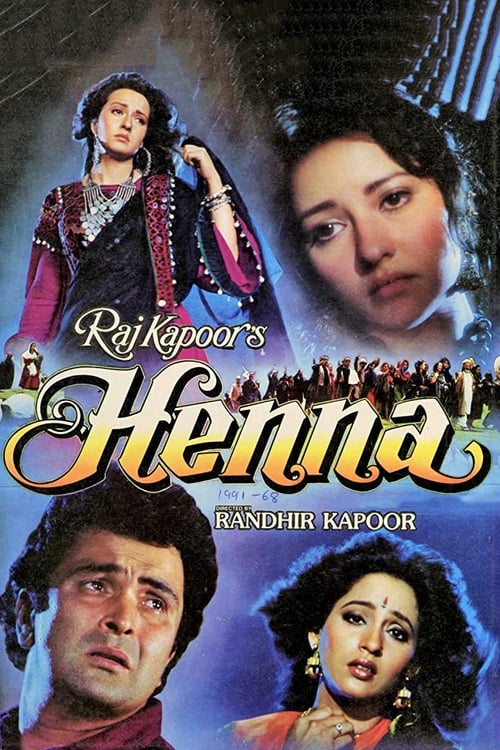
Henna is a traditional romantic drama that prioritizes classical storytelling and familial melodrama. It uses a nomadic Pakistani setting to provide a specific cultural backdrop, yet the narrative remains anchored in established genre conventions. The film focuses on interpersonal emotional resonance and romantic destiny. While it features a strong female lead in Henna, the power dynamics and character roles follow conventional gendered archetypes common in period-adjacent romances. Ultimately, the work reinforces social and familial stability. It lacks a systemic critique of hierarchies, opting instead to celebrate communal values and the 'stranger in a strange land' cliché.
Category Breakdown
The film adheres to a framework where everyone is assumed to be straight or cisgender. There is no visible representation of LGBTQ+ identities.
Henna is a central protagonist and a nurturing figure. However, she is positioned in a caretaking role for a male subject, following traditional gender archetypes.
The setting highlights a nomadic community near the Jhelum river in Pakistan. The narrative focuses on these regional identities without challenging broader social norms.
The story celebrates communal bonds and the sanctity of the family unit. It emphasizes traditional hospitality and social cohesion without critiquing religious or institutional structures.
Amnesia serves as the primary driver for the plot's mystery. This cognitive impairment functions more as a romantic device than a nuanced exploration of lived experience or neurodivergence.
Present on Screen
Limited or Absent
Official Synopsis
Beautiful Henna Khan lives the life of a gypsy near the river, Jhelum, in Pakistan with her widowed dad, Khan Baba; three brothers, Ashraf, Razzak, and Zaman; and Razzak's wife, Najma. One day she comes across a male body that has been washed ashore. Khan Baba, Bibi Gul, and Henna take this male in, nurse him back to health, only to find out that he has lost his memory. The male in his sleep cries out the name of "Chand", and everyone starts calling him by that name.
2003
1994
1958

2005
1959

2016
1990
2002
No reviews yet. Be the first to share your thoughts on this movie!
Use the rating form above to leave a star rating and optional review.