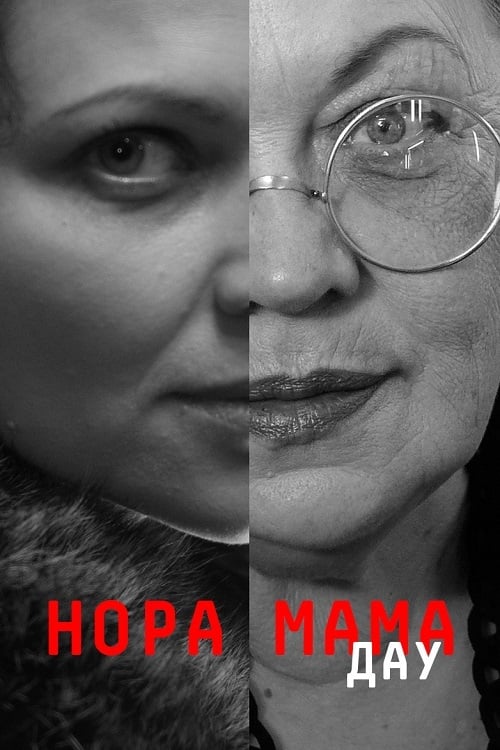
DAU. Nora Mother
2020
No user ratings available yet
Representation score: 5.7 out of 10

Representation Score
Good
2020
Director
Ilya Khrzhanovsky, Jekaterina Oertel
Runtime
93 minutes
Average Rating
No ratings yetNew Showbiz Analysis
DAU. Nikita Tanya is an intellectually complex work that prioritizes the deconstruction of social norms over demographic diversity. Its specific historical setting limits its racial and LGBTQ+ scope, yet it offers a sophisticated critique of authority. The film excels in its cultural depth, using a postmodern framework to challenge traditional institutions. It moves away from conventional narrative expectations to explore moral relativism and systemic vulnerability. While the characters experience significant mental distress and social dysfunction, these elements serve the atmosphere of the simulation rather than providing ability to act for characters with disabilities.
Category Breakdown
The film focuses on disrupting traditional relationship structures rather than celebrating specific LGBTQ+ identities. It explores non-traditional relationships as a challenge to the stability of heterosexual norms.
The narrative highlights the internal struggles of Tanya as she navigates a male-dominated scientific environment. It shifts the focus from masculine leadership to the emotional turmoil within the home.
The cast is primarily Slavic and white, reflecting the film's Soviet-era setting. There is no intentional blending of races or casting of non-white actors to diversify the historical context.
The film excels in critiquing institutional control and the erosion of societal foundations. It portrays parenthood and domestic life as sites of intense psychological conflict and systemic vulnerability.
The film does not explicitly address physical or sensory disabilities. Instead, it explores neurodivergence and psychological instability as key elements of the simulated reality.
Present on Screen
Limited or Absent
Official Synopsis
Within the top secret Institute of Physics Problems, the scientist Nikita Nekrasov is visited by his wife and small children. While away from his family the physicist has managed to fall in love with other women. In open conversations with his spouse – in the bedroom, the dining room, and while out walking – he attempts to convince her of the legitimacy of polygamous relationships, and to test the limits of her unconditional love.
2020

1989

2020
1989

2020

2015

2020

2020
No reviews yet. Be the first to share your thoughts on this movie!
Use the rating form above to leave a star rating and optional review.