
The Goalie's Anxiety at the Penalty Kick
1975
No user ratings available yet
Diversity score: 3.6 out of 10

2008
Director
Wim Wenders
Runtime
108 minutes
Average Rating
No ratings yetSynopsis
After the wild lifestyle of a famous young German photographer almost gets him killed, he goes to Palermo, Sicily to take a break. Can the beautiful city and a beautiful local woman calm him down?
Overall Score
Limited
Category Breakdown
LGBTQ+ Representation
The film centers on heteronormative romantic histories and the protagonist's pursuit of a former lover. It lacks any discernible presence of non-cisnormative identities or narratives that critique heteronormativity.
Gender Representation
Women are central to the protagonist's journey but often function as catalysts for his introspection rather than independent agents. The narrative leans toward a traditional male-centric perspective on memory and desire.
Racial & Ethnic Diversity
The ensemble is predominantly European, reflecting the protagonist's German origins and the Sicilian setting. While capturing Palermo's socioeconomic textures, it does not utilize casting to disrupt conventional demographic expectations.
Religious & Cultural Diversity
The film adopts a postmodern, meta-fictional approach that prioritizes subjective morality and existentialism. It focuses on the internal landscape of the character rather than explicit anti-Western or anti-capitalist frameworks.
Disability Representation
There is no prominent depiction of physical, sensory, or neurodivergent disabilities. Psychological states like loneliness are treated as existential conditions rather than specific representations of disability.
Strengths
Areas for Improvement
AI Analysis
Wim Wenders delivers a contemplative, postmodern work that prioritizes philosophical inquiry over demographic representation. The film's architecture is designed to explore the boundaries of storytelling and memory rather than to challenge social hierarchies. While the stylistic approach disrupts linear storytelling, the social representation remains largely traditional. The narrative reflects a European-centric, heteronormative, and neurotypical perspective, focusing on the individual's internal struggle with truth and identity. Ultimately, the film functions as an existentialist study of displacement and fragmentation, leaving identity-based politics and diverse social representation secondary to its meta-fictional goals.
1975

1972

1974
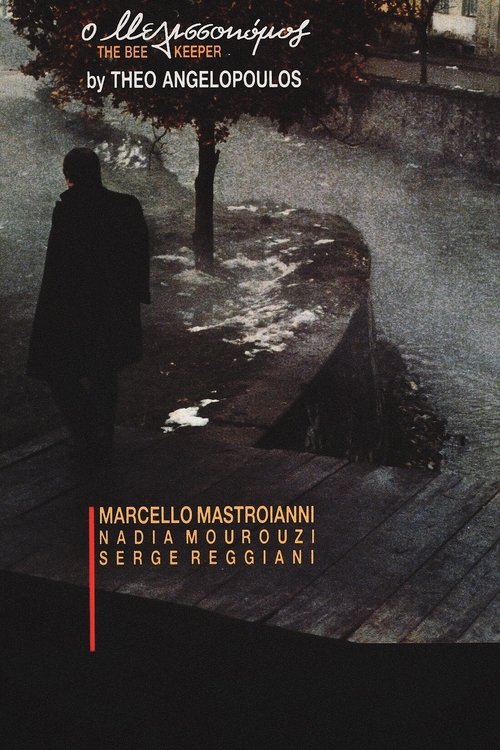
1987

2004

2003

2012

1998

2014

2009

2018

1997
No reviews yet. Be the first to share your thoughts on this movie!
Use the rating form above to leave a star rating and optional review.