Maidan-E-Jung
1995
No user ratings available yet
Representation score: 1.1 out of 10
Representation Score
Good
1980
Director
Bapu
Runtime
163 minutes
Average Rating
No ratings yetNew Showbiz Analysis
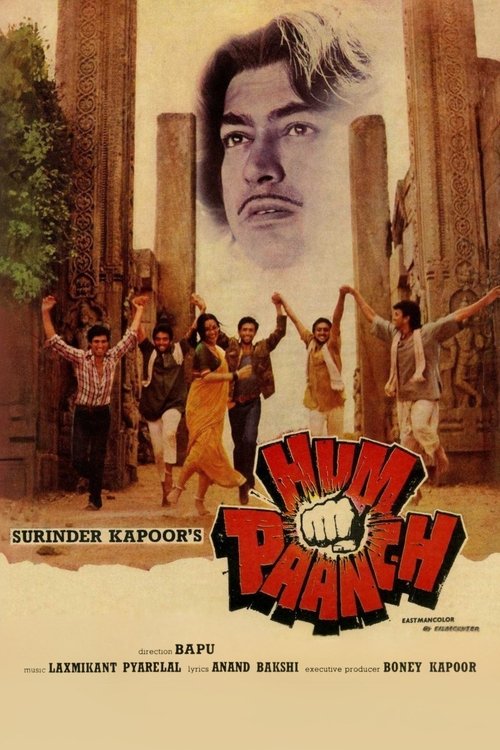
Hum Paanch stands out as a socially conscious work that challenges the idealized heroism common in mainstream cinema. It replaces polished archetypes with a gritty, character-driven exploration of systemic oppression and individual ability to act. The film's primary strength lies in its commitment to social realism and its critique of class-based power dynamics. By focusing on the resistance of underrepresented individuals, it offers a progressive counter-narrative to the era's standard clichés. However, the film remains limited by its lack of LGBTQ+ representation and its absence of characters with disabilities. While it effectively deconstructs gender and class hierarchies, these specific areas of identity remain unaddressed.
Category Breakdown
The film does not include any LGBTQ+ characters or depictions of same-sex relationships. It focuses on the heterosexual relationships typical of 1980s Indian society.
Soundariya is a strong female lead who defies patriarchal control and reproductive pressures. The film emphasizes her ability to drive the story rather than portraying her as submissive.
The story includes a cast representing various ethnicities and castes, highlighting the struggles of underrepresented groups against a wealthy, oppressive elite.
The narrative criticizes concentrated wealth and oppressive institutions through a social-realist lens. It features flawed, non-idealized characters who challenge established norms.
The film does not specifically address characters with visible or invisible disabilities. The characters are primarily defined by their socioeconomic status and their resistance to tyranny.
Present on Screen
Limited or Absent
Official Synopsis
Tyrannical and wealthy Veer Pratap Singh, rules over a small town - ruthlessly. Whoever opposes him is crushed. He is attracted to women, and has a lengthy affair with Soundariya, and even has a secret marriage ceremony with her. When Soundariya gets pregnant, he asks her to abort the child. When she refuses, he shuns her, and denies ever having married her or even being intimate with her. Her brothers attempt to get justice, but are dealt with ruthlessly by Pratap Singh's bodyguard, Bhima. Soundariya then must garner support of herself, and must find someone who can stand up to Veer Pratap Singh and end his tyranny, in a town with men who have been subdued for eons by Veer Pratap Singh and his men for eons.
1995
2002

2005

2018
1997
1982
1993
2006
No reviews yet. Be the first to share your thoughts on this movie!
Use the rating form above to leave a star rating and optional review.