
Mugamoodi
2012
No user ratings available yet
Representation score: 4.5 out of 10
Representation Score
Fair
2006
Director
Seeman
Runtime
160 minutes
Average Rating
No ratings yetNew Showbiz Analysis
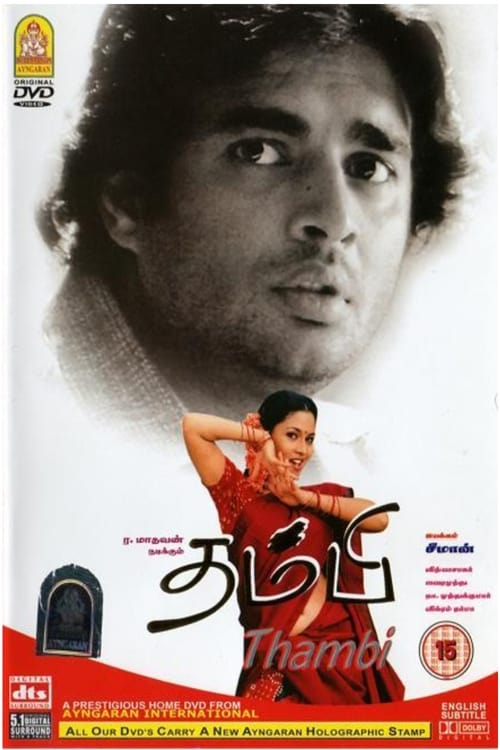
Thambi is a work of social realism that prioritizes identity politics through the lens of caste and class. It succeeds in disrupting mainstream cinematic norms by elevating subaltern voices and centering the lived experiences of oppressed groups in Tamil Nadu. However, the film's progressive intent is limited by its narrow demographic focus. The narrative structure is heavily masculine, leaving little room for gender subversion or the inclusion of LGBTQ+ identities. Ultimately, the film functions as a critique of systemic corruption and social stratification, trading broad demographic representation for a deep, focused exploration of specific sociopolitical hierarchies.
Category Breakdown
The film does not include any LGBTQ+ characters or those with non-conforming gender identities. The story focuses solely on caste and class-based struggles.
The story follows a traditional male-centric structure driven by male-led activism. Female characters have minimal influence as the focus remains on the male experience of political struggle.
The film excels by centering the struggles of underrepresented castes and lower socioeconomic classes. It provides significant roles to groups typically sidelined in social structures.
The narrative critiques established power structures and targets caste-based oppression. It portrays the common man's resistance against systemic corruption as a moral necessity.
There is no significant evidence regarding the portrayal of physical or neurodivergent disabilities within the film.
Present on Screen
Limited or Absent
Official Synopsis
A man cannot tolerate injustice and opposes it in any form; this earns him the wrath of a local goon, who plans to get rid of him at all costs.
2012

2014
1985

2015

2011
2011

2019
2006
No reviews yet. Be the first to share your thoughts on this movie!
Use the rating form above to leave a star rating and optional review.