
Hum Paanch
1980
No user ratings available yet
Representation score: 7.4 out of 10

Representation Score
Minimal
1995
Director
K. C. Bokadia
Runtime
150 minutes
Average Rating
No ratings yetNew Showbiz Analysis
Maidan-E-Jung is a conventional action-drama that operates within established social and gender hierarchies. The narrative prioritizes traditional formulas of patriarchal authority and familial honor over more complex representations of identity. The film reinforces the stability of traditional social structures through its character arcs. It does not attempt to disrupt or challenge conventional expectations regarding sexuality, gender, or institutional power. Ultimately, the work functions as a localized genre piece that aligns with the standard cinematic formulas of its era, offering little in the way of social or identity-based subversion.
Category Breakdown
The film follows a strictly straight-centered framework. There is no evidence of non-traditional gender identities or same-sex relationships within the plot.
Gender roles are traditional, with women's roles defined by their relationships to male leads. Power dynamics are driven by men, reinforcing patriarchal structures where women serve as catalysts for conflict.
The cast is ethnically homogeneous, reflecting a localized social structure. While it avoids harmful stereotypes, the film does not seek to diversify the ethnic landscape of its setting.
The story adheres to traditional social and moral structures centered on village authority and familial honor. It reinforces established hierarchies rather than exploring secularist or anti-institutional themes.
There are no visible or invisible disabilities portrayed. Characters are defined primarily by their social status and physical capabilities during action-driven conflict.
Present on Screen
Limited or Absent
Official Synopsis
Daata Guru (Amrish Puri) is a wealthy, powerful, and influential head of a village. He owns and controls all the villagers and their properties. Anyone who dares to raise their voice against him is crushed by his employee, Shankar (Dharmendra), and his sons, Guman (Gulshan Grover) and Karan (Akshay Kumar). When Daata Guru learns that Shankar has abducted his widowed daughter-in-law, Lakhsmi (Jaya Pradha), and has married her, he is enraged and wants Shankar dead. Daata Guru also instigates Karan against Shankar, and threatens the villagers to cut off their water supply if they do not turn in Shankar to him. What will Shankar do to protect his new wife and himself from the wrath of Daata Guru and his men?
1980

2005
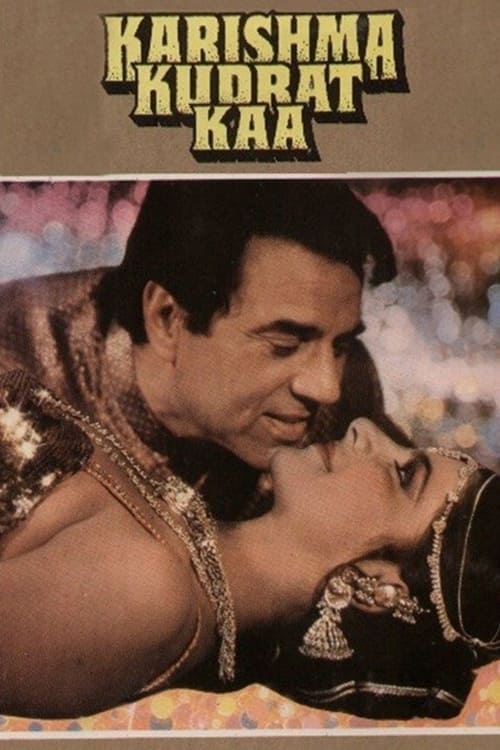
1985
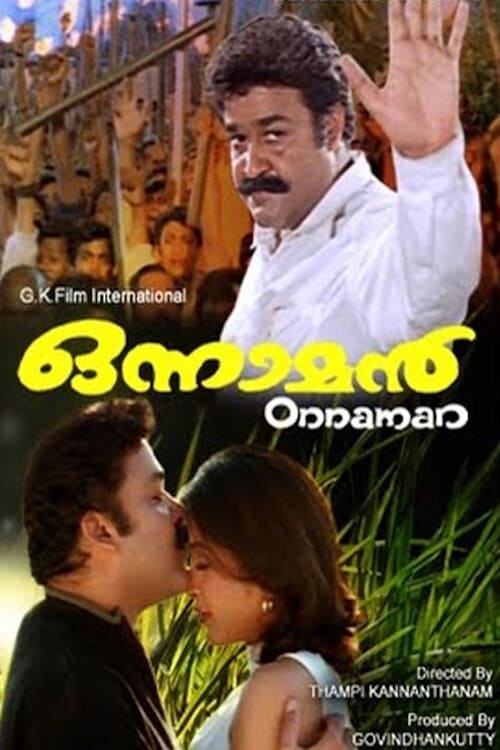
2002

1989
2002
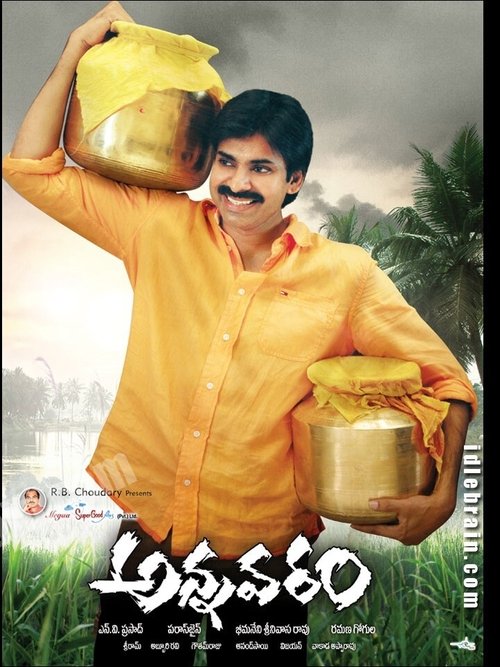
2006

2000
No reviews yet. Be the first to share your thoughts on this movie!
Use the rating form above to leave a star rating and optional review.