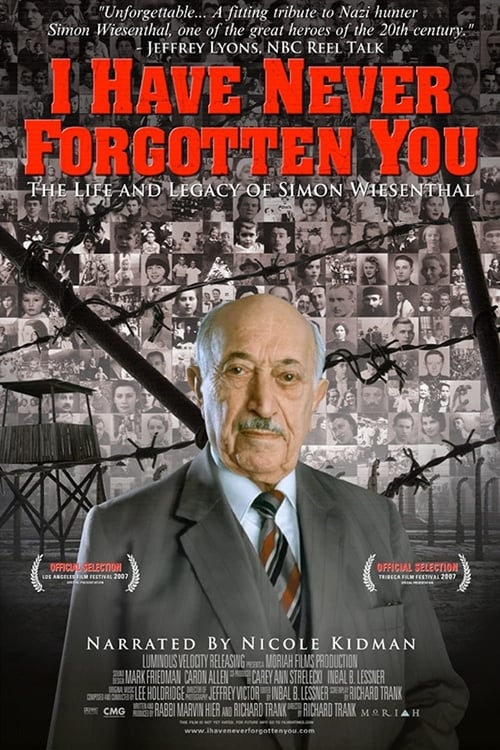
I Have Never Forgotten You: The Life & Legacy of Simon Wiesenthal
2007
No user ratings available yet
Representation score: 6.3 out of 10

Representation Score
Fair
1989
Director
Brian Gibson
Runtime
157 minutes
Average Rating
No ratings yetNew Showbiz Analysis
This biographical drama effectively centers the Jewish experience and the fight against systemic erasure. By focusing on Simon Wiesenthal's pursuit of justice, the film provides substantial insight into racial and ethnic identity. However, the film adheres to traditional gender roles, with female characters often relegated to supporting or victimized positions. The narrative is driven almost entirely by masculine-coded professional persistence and political influence. While the portrayal of trauma is historically accurate, the film lacks representation of LGBTQ+ identities and struggles to move beyond reactive depictions of disability and psychological trauma.
Category Breakdown
The film does not feature any LGBTQ+ characters. It focuses on a traditional biography centered around historical justice and ethnic survival.
The story emphasizes masculine-coded investigative roles. Female characters are mostly in supportive or victimized roles and do not significantly drive the plot.
The film offers a deep exploration of Jewish identity and ethnic persecution. It challenges Western-centric biographical norms by highlighting a non-Anglo-Saxon protagonist's struggle for recognition.
The narrative critiques the involvement of societal structures in post-war times. It examines the moral imperative of confronting institutions that shield wrongdoers.
The film portrays the historical reality of Holocaust survivors' physical and psychological trauma. However, these depictions sometimes risk reinforcing the victim stereotype.
Present on Screen
Limited or Absent
Official Synopsis
A biographical portrayal of Simon Wiesenthal, famous Nazi Hunter. From his imprisonment in a Nazi Concentration Camp, the film follows his liberation and his rise to become one of the leading Nazi hunters in the world, bringing such criminals to justice as Adolf Eichmann and Klaus Barbee. (Written by Anthony Hughes)
2007
1974
2007
2015
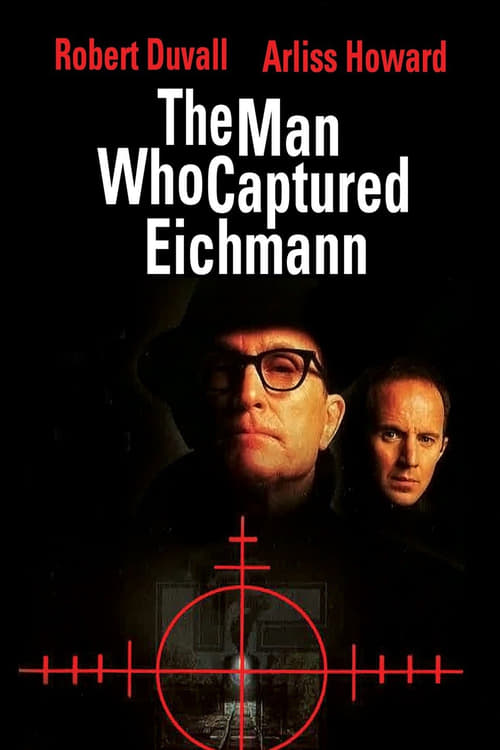
1996
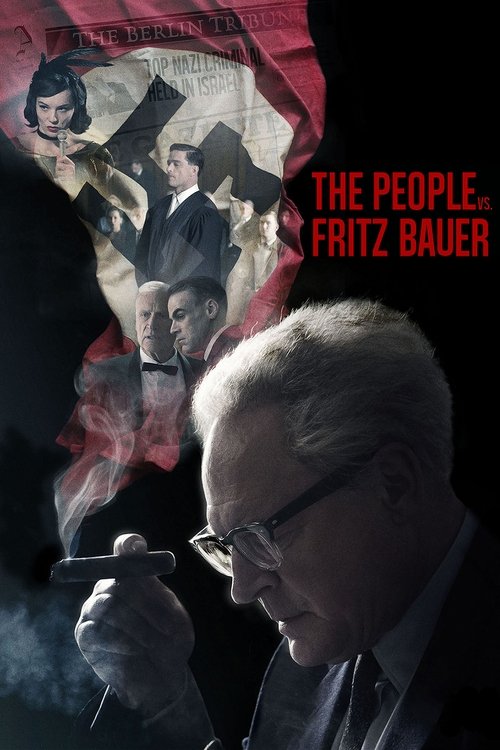
2015
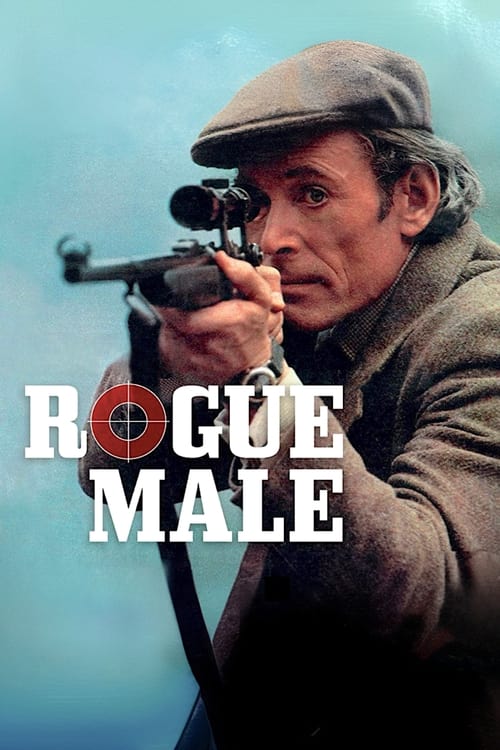
1976
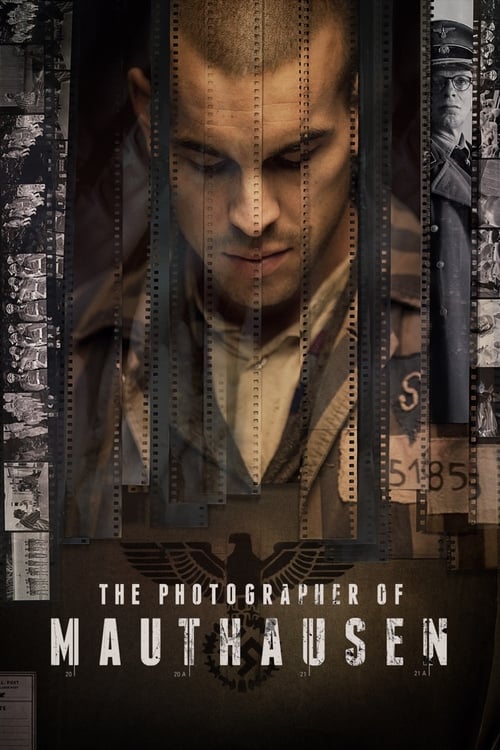
2018
No reviews yet. Be the first to share your thoughts on this movie!
Use the rating form above to leave a star rating and optional review.