
Murderers Among Us: The Simon Wiesenthal Story
1989
No user ratings available yet
Representation score: 4.7 out of 10
Representation Score
Good
2007
Director
Isabelle Clarke, Daniel Costelle
Runtime
86 minutes
Average Rating
No ratings yetNew Showbiz Analysis
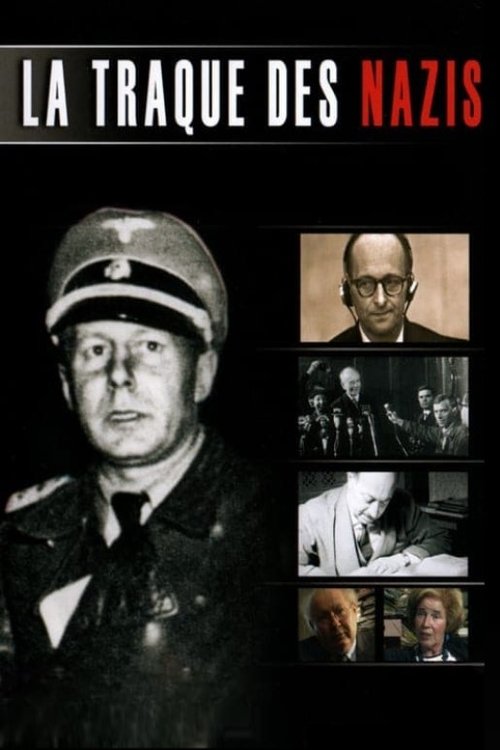
Hunting Down the Nazis serves as a historical corrective that prioritizes the reclamation of ability to act for survivors of systemic oppression. While it lacks modern storytelling that reflects multiple aspects of identity, it provides meaningful representation of historical ethnic struggles and justice-seeking. The film succeeds by elevating female intellect and centering the voices of those historically silenced by post-war institutions. It moves beyond mere victimhood to highlight the active roles of investigators and survivors. However, the documentary lacks engagement with LGBTQ+ identities and does not explore disability through a lens of ability to act. Its focus remains strictly within the historical framework of the Holocaust and its legal aftermath.
Category Breakdown
The film focuses on the historical pursuit of war criminals and Holocaust survivor testimonies. It does not include any LGBTQ+ characters or narratives addressing non-straight identities.
The film disrupts traditional gender hierarchies by highlighting Beate Klarsfeld's role. She is shown as a key driver of the investigative process, demonstrating intelligence and determination equal to her male counterparts.
The film centers the experiences of Jewish survivors, emphasizing their active roles in seeking justice. It highlights the systemic harm they faced and their subsequent efforts to reclaim ability to act.
The documentary critiques post-war institutional failures and the limitations of Western legal systems in addressing crimes against humanity. It emphasizes moral accountability and the importance of historical memory.
The film addresses the psychological and physical impacts of historical trauma on survivors. It avoids portraying them as inspirational objects by focusing on their active investigative roles.
Present on Screen
Limited or Absent
Official Synopsis
For the first time, a film recounts the story of the long pursuit of Nazis in hiding from 1945 to the present day. Sixty years of investigations, set-backs trials and dramas, brought about principally by three extraordinary individuals—the Austrian Simon Wiesenthal, and the German-French couple, Beate and Serge Klarsfeld.
1989
2015
2007
1974
2008
2015

1988
1998
No reviews yet. Be the first to share your thoughts on this movie!
Use the rating form above to leave a star rating and optional review.