
The Celebration of the Religious Festival Epiphany
1905
No user ratings available yet
Representation score: 1.3 out of 10

Representation Score
Limited
1905
Director
Milton Manaki, Yanaki Manaki
Runtime
1 minutes
Average Rating
No ratings yetNew Showbiz Analysis
The Manaki brothers provide a vital ethnographic window into early 20th-century Balkan life. By documenting regional rituals, the film offers meaningful visibility to ethnic identities that are often sidelined in the Western cinematic canon. However, the work functions as a preservation of tradition rather than a tool for social subversion. It adheres to the religious and social hierarchies of 1905, which limits its representation of gender and identity. Ultimately, the film is a historical document of cultural specificity. While it lacks progressive narrative elements, its value lies in its role as a record of non-Western communal customs.
Category Breakdown
The film does not include any LGBTQ+ characters or non-straight relationships. It focuses on the religious practices of the time, reinforcing the social structures of 1905.
The footage captures traditional communal gatherings that reflect established gender roles. Women are shown in roles consistent with the period but do not hold positions of authority.
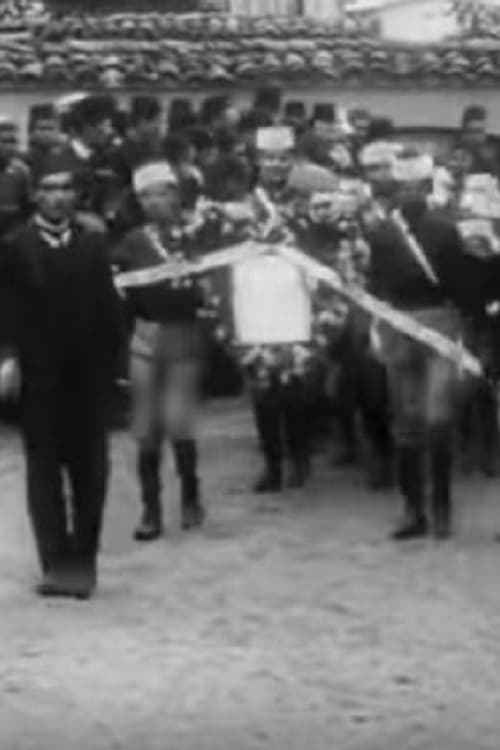
The film provides significant representation of Balkan ethnic identities. It centers on non-Western populations, offering visibility to a specific regional landscape outside the dominant cinematic canon.
The focus remains on the preservation of religious tradition and communal spirituality. It reinforces traditional Christian-adjacent frameworks rather than critiquing institutional power or promoting secularism.
There is no discernible evidence regarding the portrayal of visible or invisible disabilities. The short documentary format lacks character-driven narratives to address this.
Present on Screen
Limited or Absent
Official Synopsis
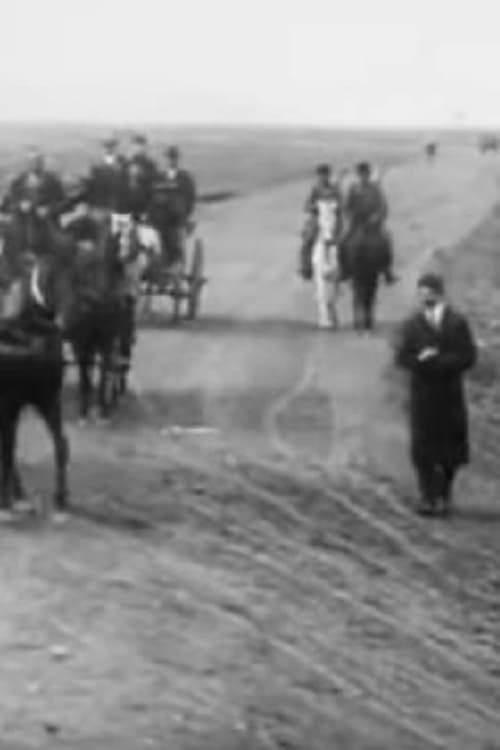
Early Balkan footage.
1905
1911
1905
1911
1905
1905

1912
1905
No reviews yet. Be the first to share your thoughts on this movie!
Use the rating form above to leave a star rating and optional review.