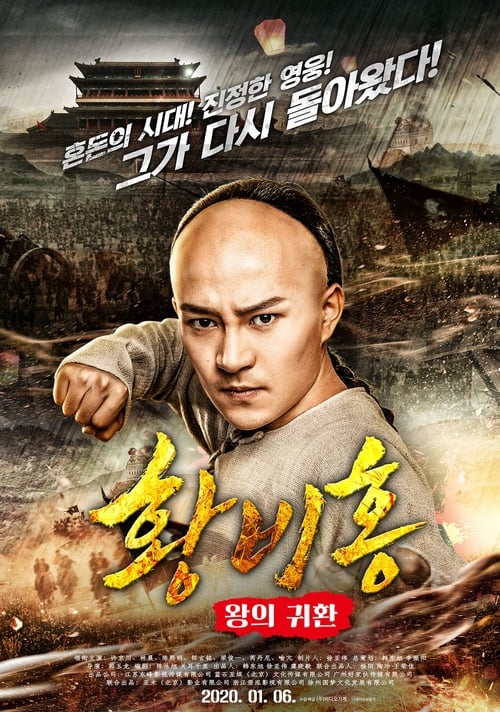
Wong Fei-Hung : Return of The King
2018
No user ratings available yet
Representation score: 3.7 out of 10
Representation Score
Limited
1987
Director
Lin Fu-Ti
Average Rating
No ratings yetNew Showbiz Analysis
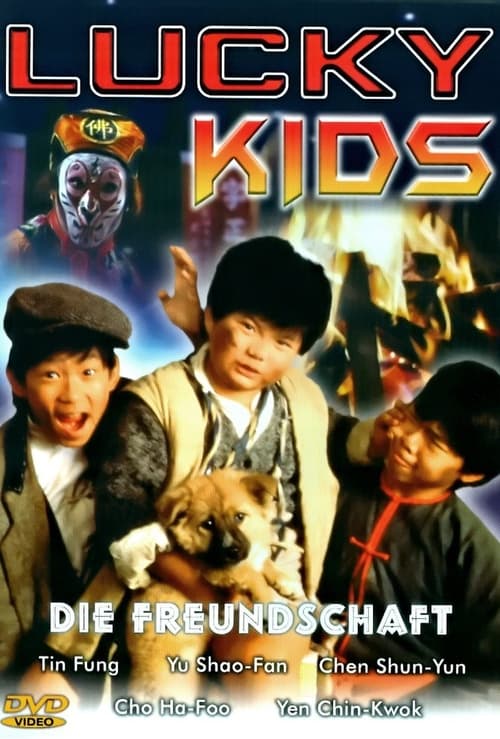
The Kung Fu Kids III functions primarily as a genre-specific action-comedy from 1987. Its narrative structure aligns with the conventional social hierarchies of its era, prioritizing martial arts clichés over systemic social critique or complex character development. While the film offers a non-Western centric perspective through its regional cultural roots, it lacks the intentionality needed to challenge traditional power structures. The representation remains largely homogeneous and follows established genre conventions rather than going beyond them.
Category Breakdown
The film does not include documented LGBTQ+ narratives or characters with diverse gender identities. It seems to follow the assumption that everyone is straight or cisgender, typical of 1980s action-comedy.
The story focuses on male characters who have significant control over the plot. Female characters do not seem to challenge traditional gender roles or provide empowered roles.
The cast is rooted in regional martial arts traditions, lacking intentional blending of different ethnic backgrounds or complex representations of multiple identities.
The story operates within traditional genre frameworks emphasizing individual heroism. It does not significantly challenge Western institutions or progressive social views.
There is no verifiable evidence regarding the portrayal of physical or neurodivergent disabilities in this production.
Present on Screen
Limited or Absent
2018
1979
1992
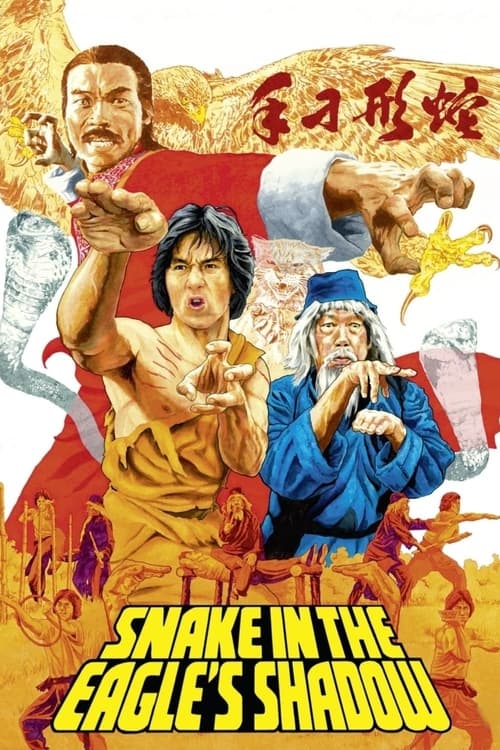
1978
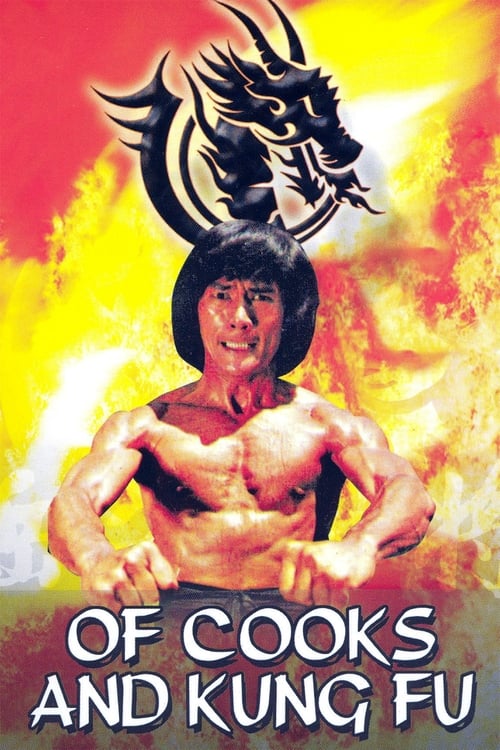
1979
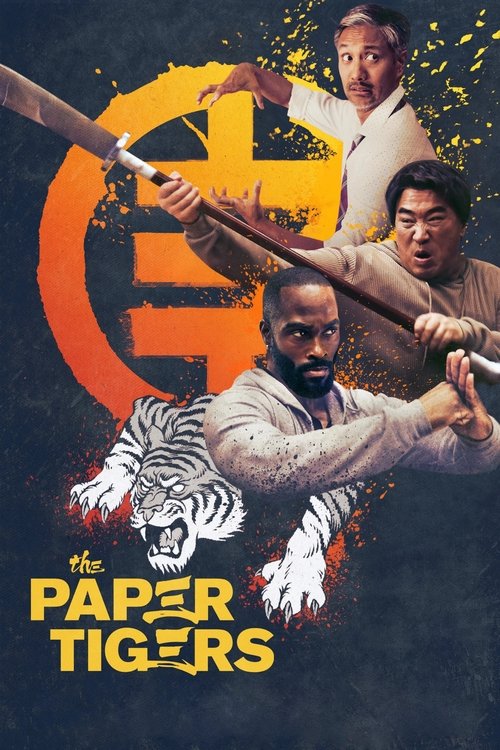
2020
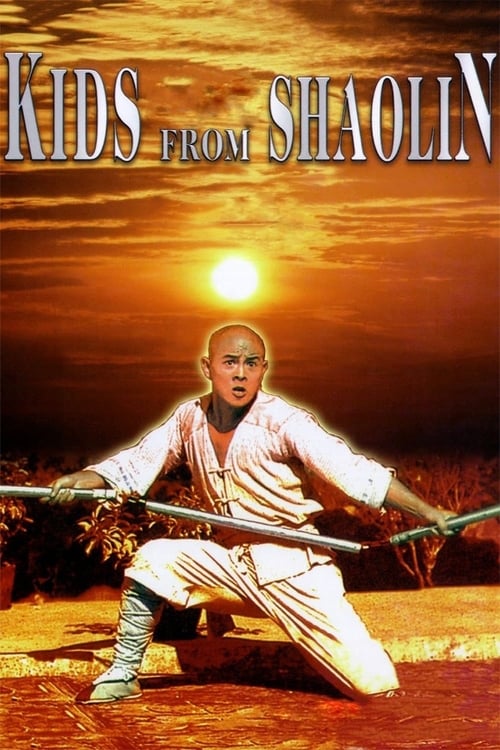
1984
1986
No reviews yet. Be the first to share your thoughts on this movie!
Use the rating form above to leave a star rating and optional review.