
Uncle Boonmee Who Can Recall His Past Lives
2010
No user ratings available yet
Representation score: 8.2 out of 10
Representation Score
Good
2017
Director
Sherif El Bendary
Runtime
97 minutes
Average Rating
No ratings yetNew Showbiz Analysis
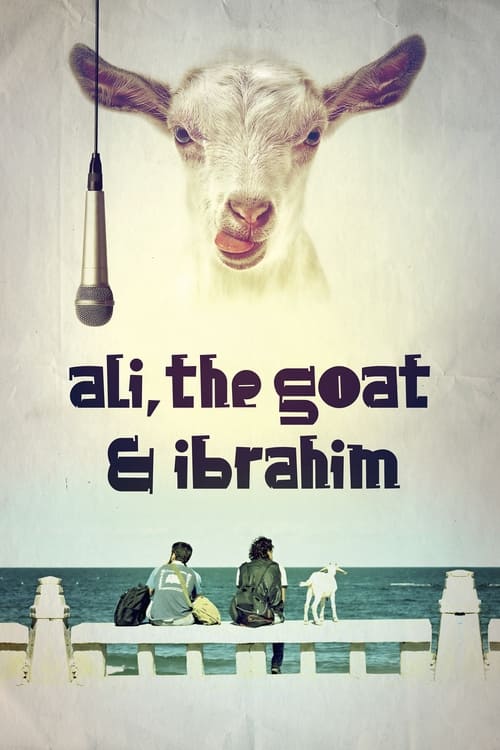
Ali, the Goat and Ibrahim is a nuanced character study that elevates the voices of those dealing with psychological challenges. It succeeds by prioritizing a localized, authentic, and psychologically complex narrative structure over standardized social norms. The film's primary strength lies in its commitment to regional authenticity and its respectful portrayal of mental health issues. By centering on characters who exist on the fringes of social and psychological norms, it offers a meaningful critique of traditional communal structures. However, the film remains limited by its male-centric focus and lack of diverse gender or LGBTQ+ representation. While it avoids traditional patriarchal clichés, the narrative arcs are largely reserved for the male protagonists, leaving little room for women's ability to drive the story.
Category Breakdown
The film centers on a male-driven journey of companionship and grief. There are no depictions of non-cisgender identities or same-sex romantic relationships.
The story revolves around male characters Ali and Ibrahim, operating within a male-centric framework. While it avoids aggressive patriarchal clichés, it lacks significant women's ability to drive the story or challenges to traditional gender roles.
The film highlights authentic cultural specificity by focusing on an Egyptian cast and rural setting. This localized perspective avoids the Western gaze and emphasizes Middle Eastern identities.
The story critiques social pressures by centering on characters who do not conform to rigid village norms. It prioritizes individual spiritual exploration over institutional religious doctrine.
Ibrahim’s struggle with severe depression and auditory hallucinations is portrayed with significant narrative weight. The film explores the lived experience of psychological vulnerability without resorting to mockery.
Present on Screen
Limited or Absent
Official Synopsis
Ali believes his late girlfriend's soul has been reincarnated in a goat. His mother forces him to visit a spiritual healer, where he meets Ibrahim, who suffers from severe depression and hears mysterious noises, in a way to find hope, Ali, his goat and Ibrahim head on a trip across Egypt hoping to help each other overcome their problems.
2010
2015

2018

2013

2015

2017

2012
2018
No reviews yet. Be the first to share your thoughts on this movie!
Use the rating form above to leave a star rating and optional review.