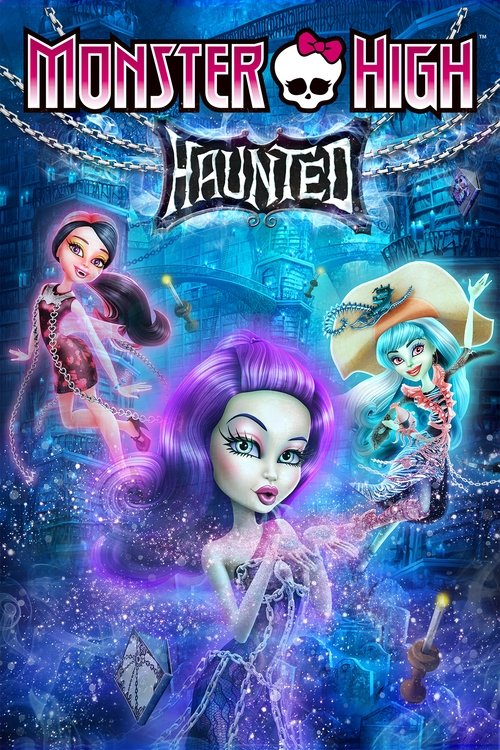
Monster High: Haunted
2015
No user ratings available yet
Representation score: 7.8 out of 10
Representation Score
Excellent
2016
PGDirector
Stephen Donnelly, Jun Falkenstein, Olly Reid
Runtime
73 minutes
Average Rating
No ratings yetNew Showbiz Analysis
The film employs monstrous archetypes to explore themes of social inclusion. By portraying the 'outsider' as a central figure in community building, it challenges traditional social hierarchies and promotes a framework of radical acceptance. While the use of different monster species effectively mirrors human diversity, the film lacks explicit representation of LGBTQ+ identities. This limits its impact in certain categories. Overall, the work serves as a narrative of social reconstruction, transforming the concept of the feared outsider into a celebrated member of a new, inclusive society.
Category Breakdown
The film focuses on social acceptance but does not include explicit representations of non-traditional gender identities. There are no obvious hints of same-sex relationships or queer-coded characters.
A predominantly female ensemble drives the plot through communal ability to act and friendship. This structure prioritizes emotional intelligence and social cohesion over traditional masculine leadership clichés.
The film uses various monster species to symbolize racial and ethnic diversity. These creatures are celebrated as integral parts of a collective identity.
The story frames the 'outsider' as a valid identity by challenging exclusionary human societies. It promotes empathy and radical acceptance of those who are different.
Frankie Stein's character explores themes of social alienation and the experience of being viewed as fundamentally flawed.
Present on Screen
Limited or Absent
Official Synopsis
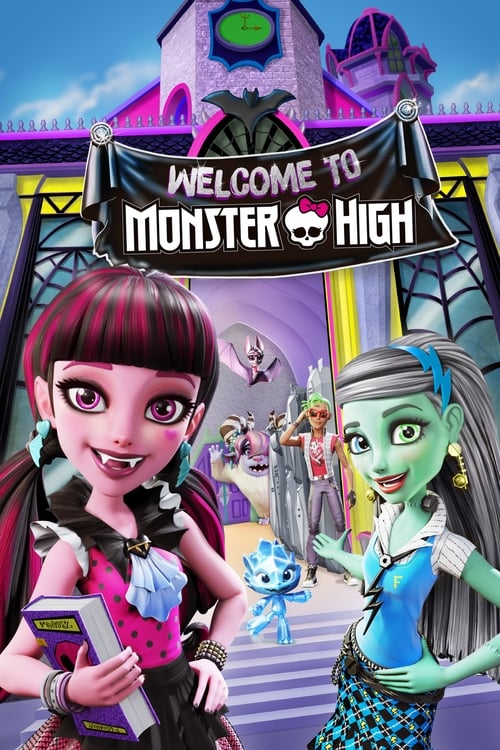
Monsters once lived in hiding—even from each other—because they were afraid they would be in danger if humans knew they existed. But Draculaura, the daughter of Dracula, along with her best ghoulfriends, dreamt of a school where everyone was welcome and accepted for who they are. Determined to make their dream come true, the ghouls travel the world on an epic adventure to recruit new students. But even in this amazing place, there's drama: a villainess zombie is spreading trouble rather than friendship, and every student must live with the fear that their secret will be revealed. Now the ghouls must save their school so that every monster has a place where they belong and their uniqueness is celebrated!
2015
2006
2013
2007
2019

2014
2015

2011
No reviews yet. Be the first to share your thoughts on this movie!
Use the rating form above to leave a star rating and optional review.