
Barbie: Princess Charm School
2011
No user ratings available yet
Representation score: 1.8 out of 10
Representation Score
Fair
2014
GDirector
Ezekiel Norton
Runtime
73 minutes
Average Rating
No ratings yetNew Showbiz Analysis
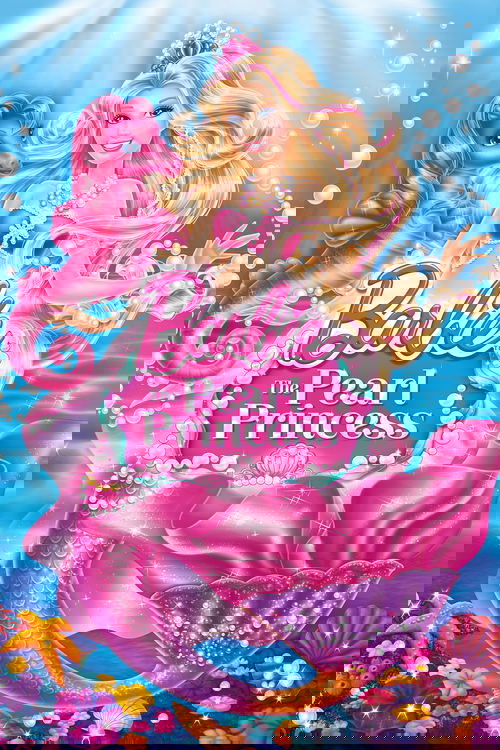
Barbie: The Pearl Princess presents a moderate exploration of character-driven empowerment. The film successfully disrupts gendered expectations by emphasizing Lumina's leadership potential beyond her initial role as a stylist. However, the story remains rooted in conventional social hierarchies and traditional Western storytelling structures. It lacks the depth and complexity needed to move beyond a typical franchise formula. While the fantasy setting provides a colorful backdrop, the absence of explicit cultural or identity-based depth confines the representation within mainstream boundaries.
Category Breakdown
The story focuses on friendship and communal events such as the royal ball. There is no direct mention of LGBTQ+ identities or queer undertones.
Lumina breaks traditional roles by transitioning from a hair stylist to a kingdom defender. Her journey highlights female independence and demonstrates that aesthetic skills do not limit leadership potential.
The underwater setting features non-human species symbolizing diversity. Though specific ethnic markers are absent, the colorful visuals suggest a varied palette.
The film adheres to traditional Western storytelling, featuring a centralized monarchy and a clear hero-versus-villain dynamic. It upholds aspirational, structured social hierarchies.
The narrative does not include characters dealing with physical, sensory, or neurodivergent conditions. There is no indication of disability being used as a narrative device.
Present on Screen
Limited or Absent
Official Synopsis
Barbie plays Lumina, a mermaid girl with the power to change the color of pearls. Cheerful and creative, Lumina finds herself working in a mermaid salon customizing fabulous hairstyles. And when Lumina has the chance to attend the royal ball, her friends adorn her with a gown fit for a princess. At the ball, villains try to seize power over the kingdom, and Lumina finds within herself an unexpected power that proves she is much more than a hair stylist.
2011
2007
2014
2006
2012
2008
2012

2003
No reviews yet. Be the first to share your thoughts on this movie!
Use the rating form above to leave a star rating and optional review.