FAR. The Story of a Journey around the World
2017
No user ratings available yet
Representation score: 4.8 out of 10
Representation Score
Excellent
2007
PGDirector
Brook Silva-Braga
Runtime
90 minutes
Average Rating
No ratings yetNew Showbiz Analysis
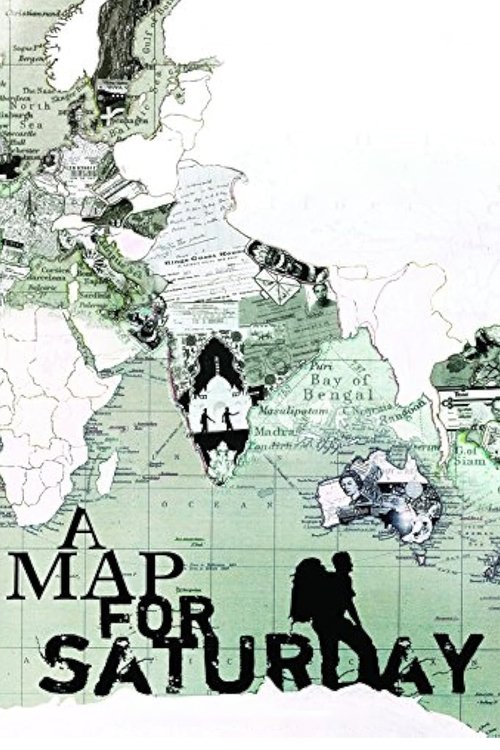
A Map For Saturday presents a study of nomadic identity, questioning traditional markers of success and progress. Through documenting travelers across 20 countries, the film portrays the rejection of conventional Western structures as a path to self-realization. The documentary effectively shows how individuals navigate power and connection outside institutional settings, highlighting fluid identities and non-traditional social structures. However, the film's focus on high-mobility travel limits its scope to a specific demographic, excluding perspectives on physical or neurodivergent disabilities.
Category Breakdown
The film includes perspectives on non-straight relationships and sexual identities, offering a range beyond typical dating norms.
It explores how travelers handle personal ability to act and expectations, moving away from strict gender roles and traditional family dynamics.
The documentary showcases diverse ethnic communities across four continents, avoiding an Anglo-centric viewpoint by focusing on local populations.
The film highlights the breaking down of Western social norms and institutions, emphasizing moral relativism over traditional family structures.
There is no prominent focus on visible or invisible disabilities. The subjects represent a high-mobility demographic, which limits the exploration of physical or neurodivergent experiences.
Present on Screen
Limited or Absent
Official Synopsis
On a trip around the world, every day feels like Saturday. A Map For Saturday reveals a world of long-term, solo travel through the stories of trekkers in 20 countries on four continents. The documentary finds backpackers helping neglected Thai tsunami victims. It explains why Nepal's guesthouses are empty and Brazil's stoplights are ignored. But at it's core, A Map For Saturday tracks the emotional arc of extreme long-term travelers; teenagers and senior citizens who wondered, "What would it be like to travel the world?" Then did it.
2017

1983

2014

2014

2020
2019
2008

2009
No reviews yet. Be the first to share your thoughts on this movie!
Use the rating form above to leave a star rating and optional review.