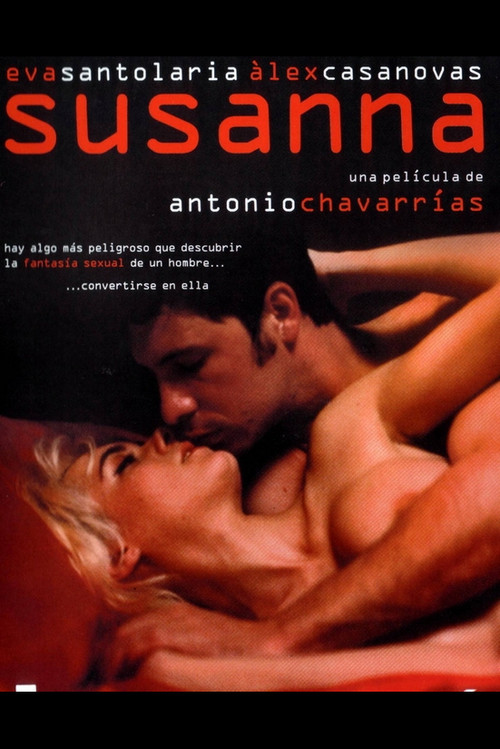
Susanna
1996
No user ratings available yet
Representation score: 3.5 out of 10

Representation Score
Fair
1989
Director
Gilberto Martínez Solares
Runtime
97 minutes
Average Rating
No ratings yetNew Showbiz Analysis
The film operates as a traditional urban melodrama, focusing on the divergent lives of twin sisters. While it places women in powerful, complex roles, it remains tied to the dramatic clichés of its era. The narrative lacks intentionality regarding modern multi-layered identities, focusing instead on the tragic consequences of individual choices and maternal loss. Ultimately, the work provides a culturally specific Mexican perspective but does not actively challenge systemic or global social dynamics.
Category Breakdown
The film does not include any explicit LGBTQ+ characters or narratives. The story emphasizes traditional romantic relationships and biological motherhood, without questioning the assumption that everyone is straight or cisgender.
Women play central, high-stakes roles as a lawyer and a criminal. However, these characters are often associated with tragic archetypes and the biological destiny of motherhood.
As a Mexican production, the film offers a non-Anglo-Saxon cultural setting. It tells a culturally specific story without making a specific effort to address racial hierarchies.
The narrative leans towards fatalistic morality and the breakdown of the family unit. It adheres to traditional moral storytelling rather than providing a systemic or anti-capitalist critique.
There is no mention of characters with visible or invisible disabilities within the narrative.
Present on Screen
Limited or Absent
Official Synopsis
Martha is a single woman who becomes pregnant and commits suicide after giving birth to a pair of twins, Jessica and Angelica, who are adopted separately. Years later, Angelica becomes a lawyer working for the mafia. Jessica, who was adopted by a prostitute, has become a criminal and is now arrested for the murder of her husband. In prison she tries to be friends with the director without success and she has to pay her sentence.
1996

1996

2008

1984
1990

1991
1965
1950
No reviews yet. Be the first to share your thoughts on this movie!
Use the rating form above to leave a star rating and optional review.