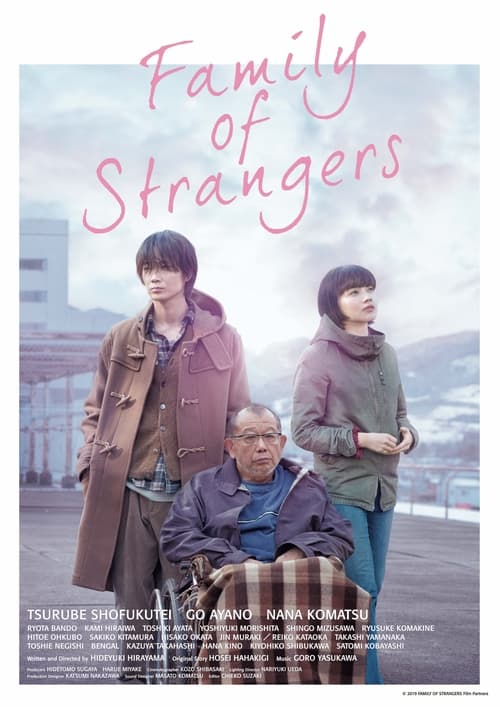
Family of Strangers
2019
No user ratings available yet
Diversity score: 4.0 out of 10
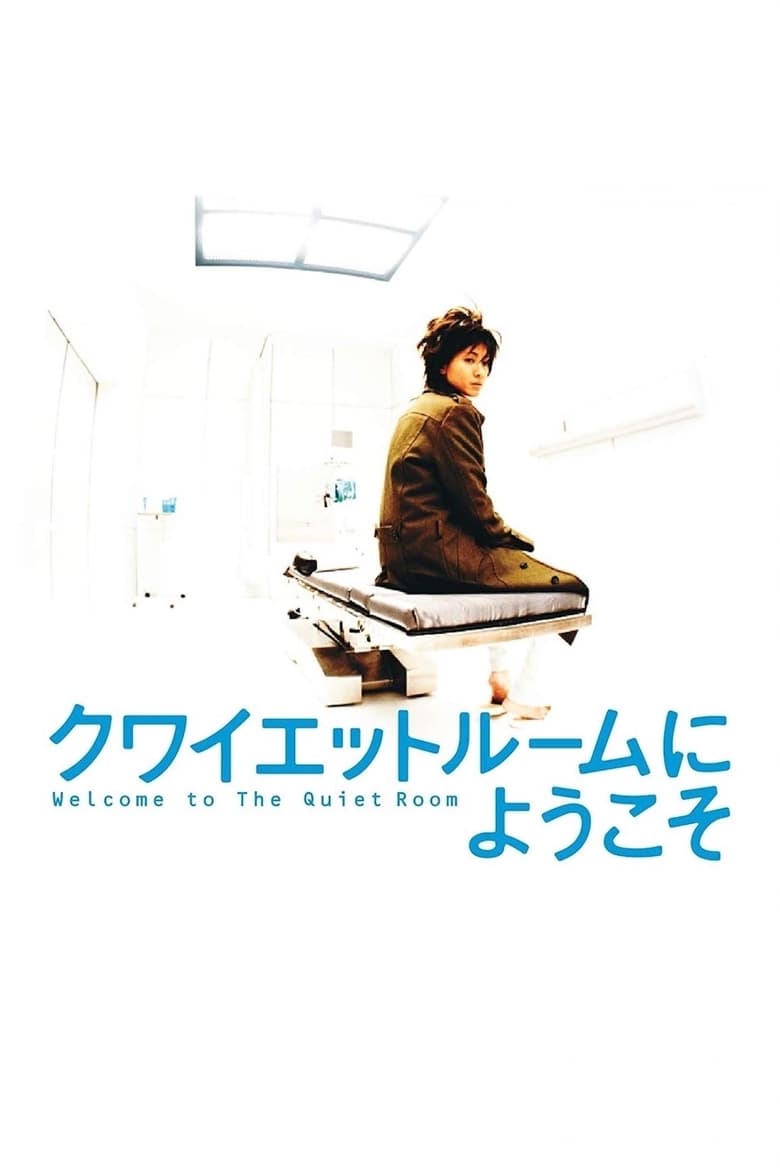
2007
Director
Suzuki Matsuo
Runtime
118 minutes
Average Rating
No ratings yetSynopsis
28 year old freelance writer Sakura Asuka wakes up tied in a white room. The white room is a protected room located in an isolated ward of a psychiatric hospital. Sakura first became unconscious because of heavy alcohol use and a druge overdose. She’s confined in the single room because of her high risk of committing suicide. Sakura tried to talk to the nurses and doctors but they didn’t listen to her. Under the circumstances another patient Miki, who suffers from an eating disorder, leads her to understand the unknown world. But, Sakura is looking for the way to get back to the real world as soon as possible.
Overall Score
Fair
Category Breakdown
LGBTQ+ Representation
The film lacks explicit LGBTQ+ characters or romantic subplots. The narrative focuses entirely on the protagonist's psychological confinement and her interactions with other patients.
Gender Representation
Sakura Asuka serves as a female-driven protagonist, though her agency is stripped by her medical circumstances. The film explores female vulnerability within a rigid medical establishment.
Racial & Ethnic Diversity
As a localized Japanese production, the film features a largely homogeneous cast. It does not engage with intersectional racial dynamics or diverse ethnic casting.
Religious & Cultural Diversity
The story critiques traditional medical authority by portraying staff as dismissive. It prioritizes subjective internal reality over the institutional definitions of wellness and order.
Disability Representation
The film offers a harrowing look at neurodivergence through characters facing suicidal ideation and eating disorders. It avoids tropes, focusing instead on the claustrophobic reality of confinement.
Strengths
Areas for Improvement
AI Analysis
Suzuki Matsuo’s film is a psychological character study that prioritizes internal struggle over demographic breadth. It excels in its nuanced, non-idealized portrayal of mental health and neurodivergence, treating psychiatric confinement as a lived reality rather than a plot device. However, the film lacks diversity in terms of LGBTQ+ visibility and racial intersectionality. The cast is culturally homogeneous, reflecting its specific Japanese context without broader ethnic representation. Ultimately, the work finds its value in critiquing institutional authority. While it scores low on traditional identity metrics, it provides a progressive look at the friction between the individual and societal structures of order.
2019
2020

2006

2020

2014

2009

2014

1961

2005

1967

1955

1963
No reviews yet. Be the first to share your thoughts on this movie!
Use the rating form above to leave a star rating and optional review.