No Letting Go
2016
No user ratings available yet
Representation score: 4.9 out of 10
Representation Score
Fair
2020
Director
Ron Vignone
Runtime
92 minutes
Average Rating
No ratings yetNew Showbiz Analysis
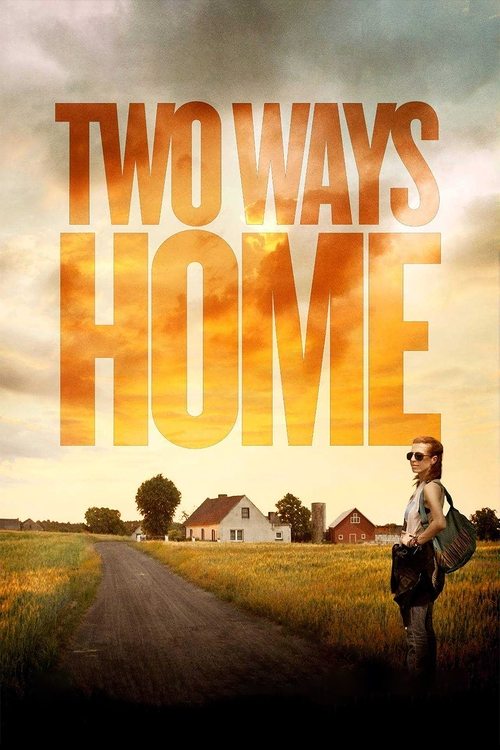
Two Ways Home is a focused character study that prioritizes the complexities of neurodivergence over broad demographic variety. It succeeds by treating mental health with dignity, moving beyond simple plot devices to explore how a diagnosis shapes a person's identity and role in the story. While the film lacks diverse representation regarding race and LGBTQ+ identities, it excels in deconstructing domestic archetypes. It avoids the sanitized version of family life often seen in dramas, instead highlighting the friction between individual psychological needs and societal expectations. Ultimately, the film's impact comes from its realistic portrayal of systemic struggle and the messy reality of reintegrating into a family unit that has learned to function without the protagonist.
Category Breakdown
The film focuses on maternal reconnection and mental health within a family structure that assumes everyone is straight or cisgender. There are no LGBTQ+ characters or diverse gender identities present.
Kathy’s journey disrupts the 'perfect mother' stereotype by presenting a flawed protagonist navigating reintegration. The narrative emphasizes her ability to drive the story through her struggles with motherhood and self-reclamation.
Set in rural Iowa, the story centers on a white protagonist and her family. The environment appears largely homogeneous, focusing on a specific domestic setting.
The film critiques traditional Western institutions like the legal system and the nuclear family. It offers a non-idealized view of domestic stability and social structures.
Bipolar disorder is a central component of the protagonist's identity rather than a caricature. The story realistically portrays the struggle of managing mental health in society.
Present on Screen
Limited or Absent
Official Synopsis
Soul-touching and moving, TWO WAYS HOME compassionately follows Kathy (Tanna Frederick), a woman newly diagnosed with bipolar disorder who is released from prison on good behavior and returns to her country home in Iowa to reconnect with her estranged 12-year-old daughter (Rylie Behr) and her cantankerous elderly grandfather (Tom Bower). Her return home is turbulent and a rough, unwelcome transition in which Kathy must come to terms with her diagnosis and its implications on her identity, while also realizing that her family was happier when she was gone. Conflict with her family intensifies as she struggles to keep her head above water, putting her self-worth and well-being to the ultimate test.
2016

2011

2016

2015
2023

1999
2012
2010
No reviews yet. Be the first to share your thoughts on this movie!
Use the rating form above to leave a star rating and optional review.