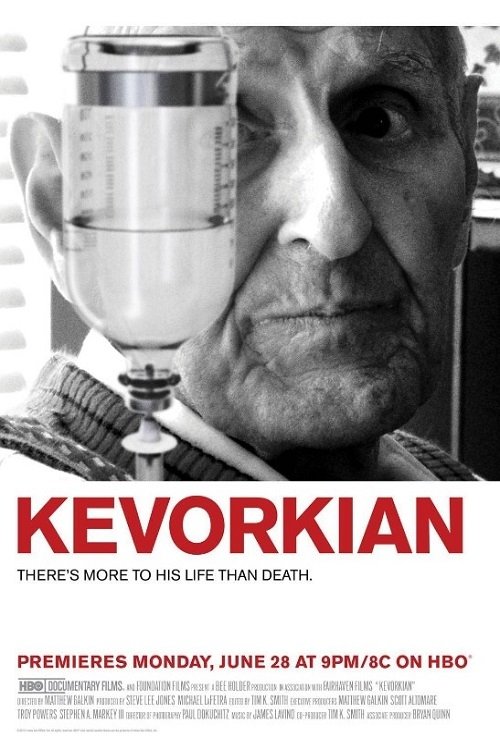
Kevorkian
2010
No user ratings available yet
Diversity score: 5.9 out of 10
No Poster Available
1983
Director
Louis van Gasteren
Runtime
155 minutes
Average Rating
No ratings yetSynopsis
Hans: Het Leven voor de dood (Hans, Life Before Death) is a documentary feature film about the life of the young composer Hans van Sweeden (1939-1963) and those who knew him intimately. The film is about the harrowing life of the musician, poet and actor Hans van Sweeden (1939-1963), who ended his life at the age of 24. Simultaneously, the film offers a poignant portrait of his contemporaries in the turbulent fifties and sixties and the children of the Nazis. It won the Golden Calf for Best Feature Film in 1983. Award of the Dutch film critics, 1983; the Belgian film critics Award, 1984; Best Dutch Documentary 1980-1990. (Wikipedia)
Overall Score
Fair
Category Breakdown
LGBTQ+ Representation
The film explores intimate connections and personal identity within a turbulent era. While specific identity markers are limited by archival constraints, the narrative moves beyond heteronormative biographical standards.
Gender Representation
The documentary subverts the stable leader archetype. By focusing on vulnerability and existential struggle rather than traditional masculine achievement, it challenges conventional expectations of male agency.
Racial & Ethnic Diversity
The film serves as a localized European study of Dutch social history. It lacks evidence of significant racial or ethnic intersectionality, remaining centered on post-war Western Europe.
Religious & Cultural Diversity
The narrative critiques traditional power structures by examining the children of Nazis. It prioritizes individual psychological truth over singular religious or patriotic ideals.
Disability Representation
Mental health and neuro-emotional struggles are central to the narrative. The film treats van Sweeden’s psychological state as a driving force rather than a mere plot device.
Strengths
Areas for Improvement
AI Analysis
This documentary offers a sophisticated deconstruction of the traditional biographical mythos. Instead of celebrating a 'great man,' it uses the life of Hans van Sweeden to examine systemic pressures and intergenerational trauma. The film excels in its empathetic treatment of mental health and its critique of historical power structures. It moves away from dogmatic morality to focus on the complexities of post-war identity. However, the work is culturally localized. While it provides deep psychological insight, it lacks racial and ethnic intersectionality, remaining a specific study of the Dutch social milieu.
2010

2015
2009
2006

2015
2011

2021

1995
1972

2007

1998
1987
No reviews yet. Be the first to share your thoughts on this movie!
Use the rating form above to leave a star rating and optional review.