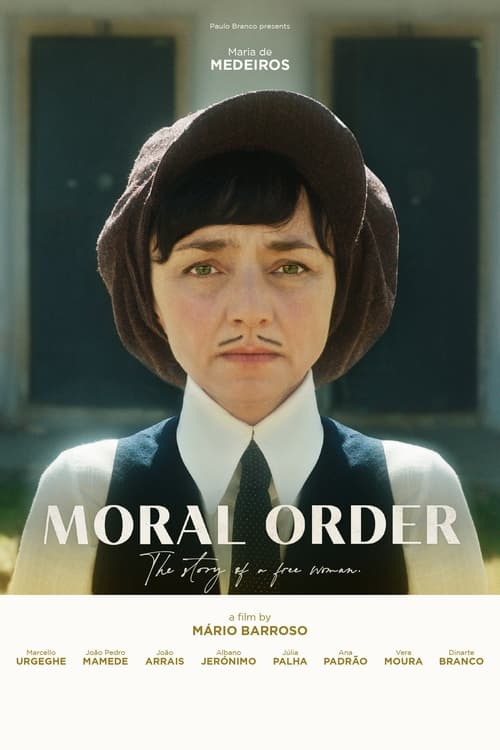
Moral Order
2020
No user ratings available yet
Representation score: 5.1 out of 10

Representation Score
Fair
2004
Director
Mário Barroso
Runtime
97 minutes
Average Rating
No ratings yetNew Showbiz Analysis
The film excels as a nuanced period drama by focusing on a woman's struggle for autonomy within a rigid patriarchal structure. It effectively uses the backdrop of a religious miracle to explore the tension between individual freedom and institutional power. However, the film lacks diversity in terms of LGBTQ+ representation and racial variety. The narrative remains largely focused on class-based social mobility and traditional demographic realities of early 20th-century Portugal. Ultimately, the work is a character study of social hierarchy and religious influence, prioritizing gendered ability to act and class conflict over broader characters who reflect more than one aspect of diversity.
Category Breakdown
The film does not include any explicit LGBTQ+ characters or non-straight relationships. The story focuses on a protagonist's journey within a traditional social structure.
The story centers on a female protagonist navigating high-stakes social hierarchies. She takes control and acts independently despite facing a patriarchal society and religious fervor.
Set in 1917 Portugal, the film reflects the demographics of the time. The narrative focuses on class-based identity without significant ethnic blending or racial diversity.
The film explores the tension between secular reality and religious fervor. It highlights how organized religion and social institutions can impact or exploit individual freedom during a miracle.
There is no mention of characters with visible or invisible disabilities within the narrative.
Present on Screen
Limited or Absent
Official Synopsis
Portugal, 1917. The country is experiencing a great political and social agitation and it is said that in Fatima the virgin appeared to three little shepherds. Salomé, a young lady from the province, is one of the many girls who cheers Lisbon brothels, but she is such a special girl that a rich man invites her to live in his house and presents her to the high society of Lisbon. But her past will not stop chasing her and Salomé, who thought that this would be the beginning of a new life, will eventually lose everything by becoming an involuntary character of this miracle that agitated the country...
2020

1943
2017

1956
1975
2011

1958

2020
No reviews yet. Be the first to share your thoughts on this movie!
Use the rating form above to leave a star rating and optional review.