
Canticle
1972
No user ratings available yet
Representation score: 4.7 out of 10
Representation Score
Good
1958
Director
Roberto Gavaldón
Runtime
106 minutes
Average Rating
No ratings yetNew Showbiz Analysis
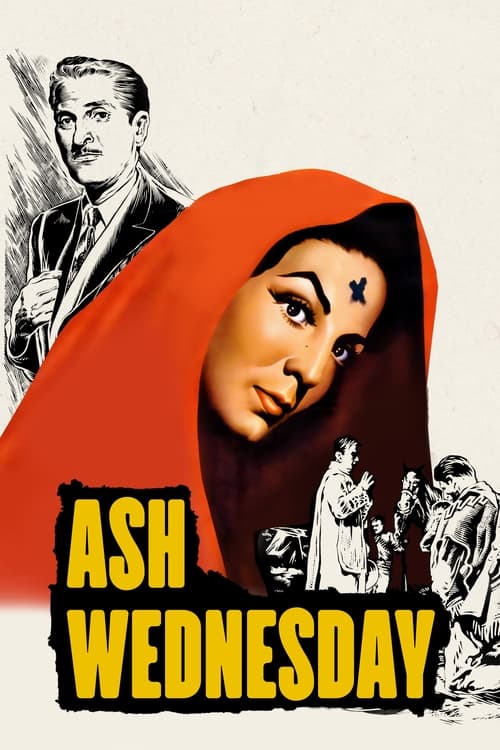
Ash Wednesday is a sophisticated drama that prioritizes the empowerment of a woman navigating systemic corruption. It succeeds by challenging traditional gender roles and offering a critical look at religious institutions. While the film lacks representation for LGBTQ+ identities or disabilities, it excels in its complex portrayal of female survival. The protagonist's journey from victim to a woman of economic influence provides a powerful counter-narrative to traditional melodrama. The film's historical setting allows for a nuanced exploration of Mexican identity and the tension between individual desires and rigid social structures.
Category Breakdown
The film does not include any explicit references to LGBTQ+ characters or non-straight relationships. The story focuses on the protagonist's personal journey and her interactions with societal hierarchies.
The story challenges traditional views of women by focusing on a woman's survival and empowerment. The protagonist transforms from a victim of abuse into a powerful brothel owner who navigates political turmoil.
Set during the Cristero War, the film centers on a Mexican identity. It explores national and ethnic identity through the lens of local socio-political conflicts and the deportation of foreign priests.
The film offers a sophisticated critique of religious institutions. By showing a priest as a source of trauma, it questions the perceived infallibility of the Church and explores moral relativism.
There is no discernible portrayal of physical or neurodivergent disabilities within the narrative.
Present on Screen
Limited or Absent
Official Synopsis
1913: A young woman is raped by a priest and turns away from the Church as a result of the experience. 1924: She now is the owner of an expensive brothel, and she plays a small role on both sides of the Cristero Uprising, when foreign-born clergy were deported from Mexico.
1972

1929
1954

1959

1991

2002

1947

1967
No reviews yet. Be the first to share your thoughts on this movie!
Use the rating form above to leave a star rating and optional review.