
Outlaw: Gangster VIP 2
1968
No user ratings available yet
Representation score: 3.4 out of 10
Representation Score
Limited
1969
Not RatedDirector
Keiichi Ozawa
Runtime
85 minutes
Average Rating
No ratings yetNew Showbiz Analysis
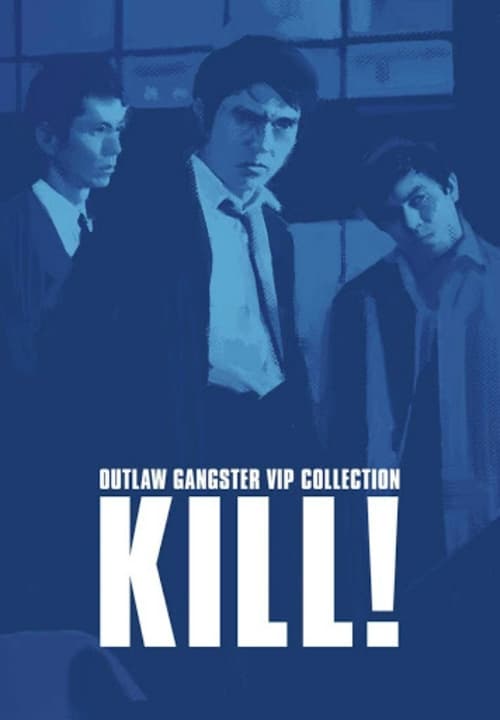
Outlaw: Kill! is a crime drama set in a specific historical period that relies heavily on the genre clichés of its time. It lacks modern multi-layered complexity and diverse representation, staying rooted in conventional social dynamics. However, the film subtly critiques institutional loyalty by portraying the protagonist as an outsider who refuses to join established syndicates. This exploration of individualism and anti-establishment sentiment adds depth to the narrative. While the film lacks diversity in terms of identity, its focus on the breakdown of traditional social structures provides a localized study of class and territoriality.
Category Breakdown
The film does not include any LGBTQ+ characters or narratives. The plot revolves around territorial disputes and traditional gender roles.
A female elevator attendant triggers the protagonist's involvement. Although she initially fits the damsel-in-distress cliché, her connections to warring factions hint at a more strategic role.
Set in the Keihin industrial area, the film portrays a culturally uniform Japanese society. It focuses on local class and territorial issues without addressing multi-ethnic or racial diversity.
The story critiques traditional social cohesion by focusing on a lone wolf who rejects syndicate loyalty. This reflects skepticism towards organized social hierarchies.
No visible or invisible disabilities are depicted in the narrative or character descriptions.
Present on Screen
Limited or Absent
Official Synopsis
Goro has always been a lone wolf. When he arrives at an industrial city in Keihin, there is certain restlessness in the air. The Iriezaki family and the Kanto Touyu-kai were in the midst of a territorial dispute. Goro was quick to notice, but had no intent to take sides. At a department store nearby, he sees an elevator lady being harassed by a couple of hoodlums. Goro decides to intervene. Unbeknownst to him, the hoodlums are Touyu-kai members – and the girl has strong ties with the opposing family.
1968
1974

1968
1966

1966
1974

1972
1968
No reviews yet. Be the first to share your thoughts on this movie!
Use the rating form above to leave a star rating and optional review.