Home
1972
No user ratings available yet
Representation score: 2.9 out of 10
Representation Score
Fair
1964
Director
Philip Saville
Runtime
85 minutes
Average Rating
No ratings yetNew Showbiz Analysis
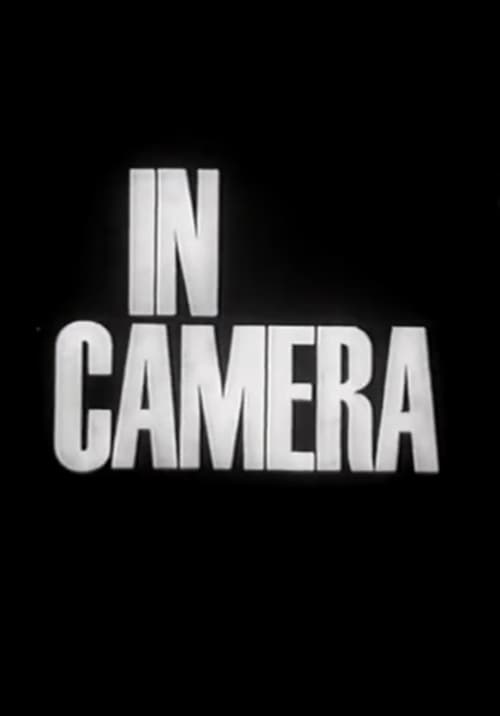
In Camera is a period-specific psychological drama that emphasizes existentialist philosophy over contemporary identity issues. It lacks broad representation of race and sexual orientation, reflecting the era of its creation. However, the film offers progressive value by breaking down the stereotype of the stable, competent male leader. It replaces traditional stability with a narrative of ethical decay and psychological instability, challenging the sanctity of Western institutional authority. Ultimately, the work explores moral relativism through a psychological lens rather than critiquing societal structures.
Category Breakdown
The film does not include any explicitly LGBTQ+ characters or explore non-straight relationships. There is no indication of hidden queer themes or critiques of the assumption that everyone is straight.
The movie uses the emotional vulnerability of the female lead as a key part of the plot, reinforcing traditional ideas about women's fragility. However, it also complicates typical male roles by showing that professional success can hide personal instability.
Reflecting the time it was made, the cast is mostly white and Anglo-Saxon. There is no meaningful diversity in race or intentional casting to represent different backgrounds.
The film focuses on existential themes and personal morality rather than traditional religious beliefs. It questions the stability of Western institutions by highlighting the collapse of medical ethics and professional authority.
The story revolves around mental health issues and psychological instability. While the patient's condition is central, there is a risk that the character serves mainly as a plot device rather than having full control over their actions.
Present on Screen
Limited or Absent
Official Synopsis
A 1964 BBC adaptation of Sartre's "No Exit."
1972

1963

1965
1955
1988
1949
2001

1978
No reviews yet. Be the first to share your thoughts on this movie!
Use the rating form above to leave a star rating and optional review.