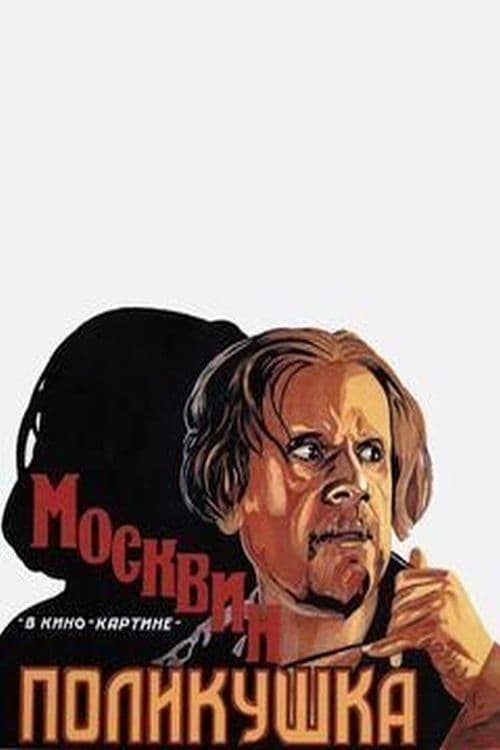
Polikushka
1922
No user ratings available yet
Representation score: 5.1 out of 10
Representation Score
Limited
1912
Director
Elizaveta Thiman, Yakov Protazanov
Runtime
32 minutes
Average Rating
No ratings yetNew Showbiz Analysis
The film is a significant historical artifact, particularly due to the involvement of Elizaveta Thiman, one of cinema's earliest female directors. This presence challenges the male-dominated landscape of 1912. Narratively, the film excels at subverting traditional gender roles by positioning the wife as a powerful figure of resource control. It also provides a sophisticated critique of class and systemic inequality. However, the work lacks depth in representing diverse identities. The absence of LGBTQ+ representation and ethnic diversity beyond Russian class structures limits its overall impact in a modern diversity context.
Category Breakdown
The film does not include any LGBTQ+ characters or non-cisgender identities. It focuses on class struggles and marital tensions within a traditional framework.
The Countess is portrayed who play a significant role in driving the story, acting as a gatekeeper of land-holdings. This challenges the cliché of the passive wife by making her a primary obstacle to the protagonist.
The story centers on the socio-economic divide between Russian nobility and peasantry. It does not explicitly address racial or ethnic diversity beyond these class distinctions.
The film offers a strong critique of imperial institutions and aristocratic structures. It explores the friction between individual morality and systemic land ownership through the lens of social suffering.
There is no documented evidence of characters with visible or invisible disabilities within this narrative.
Present on Screen
Limited or Absent
Official Synopsis
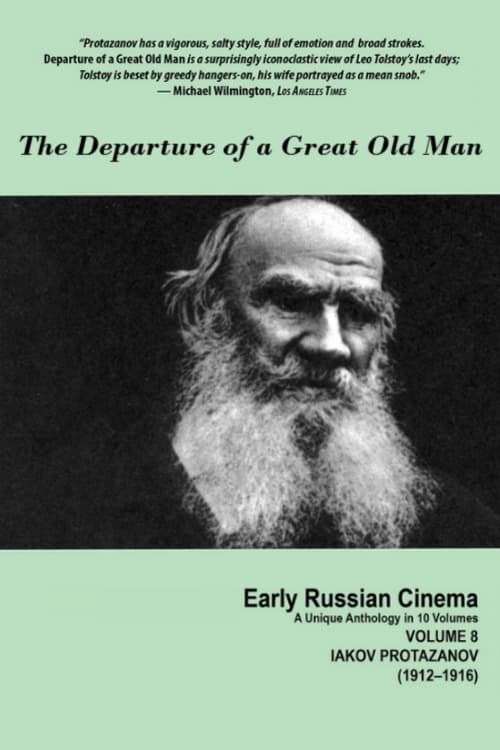
A group of peasants comes to see Leo Tolstoy and his wife, the Countess, to request some land. Tolstoy must explain to them that it is his wife who has authority over their land-holdings, and she will not help them. Stung by their negative reaction to him, Tolstoy becomes increasingly preoccupied with the problems of the poor. This leads to a number of conflicts with his wife, and then to a deep despondency, as the noted writer continues vainly to search for answers to the sufferings he sees around him.
1922

1952
1913
1978
1984

2009

1921
1914
No reviews yet. Be the first to share your thoughts on this movie!
Use the rating form above to leave a star rating and optional review.