
Powers of Ten
1977
No user ratings available yet
Diversity score: 3.9 out of 10
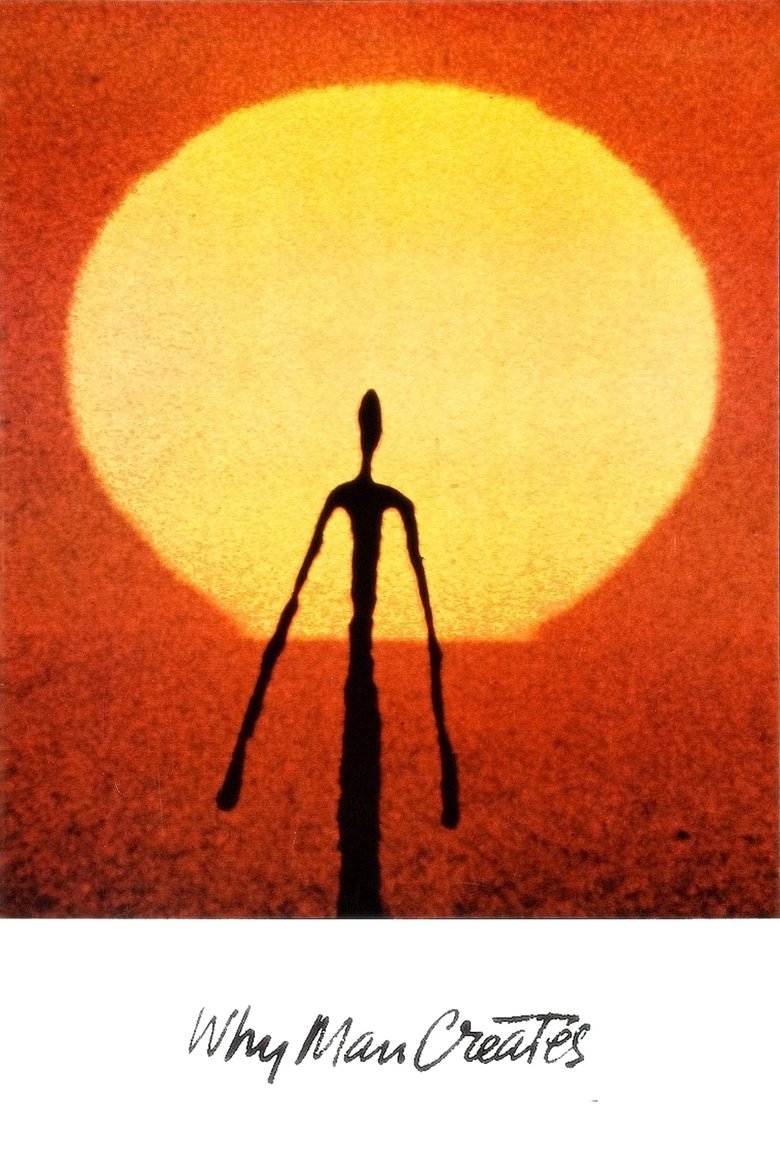
1968
Director
Saul Bass
Runtime
29 minutes
Average Rating
No ratings yetSynopsis
A 1968 animation/documentary that criticises the industrial system.
Overall Score
Fair
Category Breakdown
LGBTQ+ Representation
The film functions as a non-narrative montage of stock footage and historical clips. It lacks specific characters or romantic pairings, resulting in no explicit engagement with LGBTQ+ themes.
Gender Representation
The work lacks a central narrative to establish gender hierarchies or social roles. While it avoids reinforcing traditional domestic hierarchies, it does not actively subvert them through character agency.
Racial & Ethnic Diversity
The montage uses global cinematic clips to represent human achievement. While it avoids overt racial stereotyping, it lacks intentional, intersectional casting or race-focused narratives.
Religious & Cultural Diversity
The film offers a significant critique of the industrial system. It prioritizes humanistic creativity over the rigid, standardized structures of institutionalized labor and capitalist systems.
Disability Representation
There are no depictions of neurodivergence, physical disability, or chronic illness. The focus remains on the macro-evolution of thought rather than individual lived experiences.
Strengths
Areas for Improvement
AI Analysis
Saul Bass’s experimental documentary uses a collage of cinematic imagery to explore the evolutionary impulse of human creativity. Because the film eschews traditional character arcs and dialogue, it lacks the framework for character-driven representation of identity, gender, or disability. However, the film finds strength in its systemic critique. By positioning the creative impulse against mechanical and industrial standardization, it offers a humanistic counterpoint to institutionalized labor. The work functions as a postmodern critique of established media consumption. Ultimately, the score reflects a work that is philosophically broad but narratively thin. It succeeds in its abstract subversion of industrial systems but fails to provide specific, lived perspectives of diverse human identities.
1977

2013

1980
2018

2014

2018
2011
2007
2013
2008
No reviews yet. Be the first to share your thoughts on this movie!
Use the rating form above to leave a star rating and optional review.