Money as Debt II
2009
No user ratings available yet
Representation score: 3.3 out of 10
Representation Score
Excellent
2011
Not RatedDirector
Alexandra Weltz, Jason Barker
Runtime
52 minutes
Average Rating
No ratings yetNew Showbiz Analysis
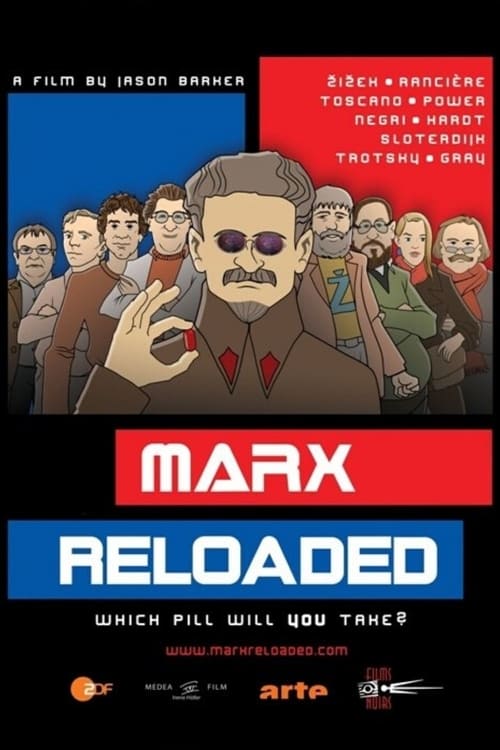
Marx Reloaded functions as an intellectual inquiry into the 2008-09 financial crisis. It prioritizes systemic critique and class struggle over individualist narratives, limiting its engagement with specific identity-based representations. The film's strength lies in its cultural and ideological subversion, effectively challenging traditional capitalist values and the morality of the global economic order. However, the focus on macro-economic structures results in a neutral approach to gender, disability, and LGBTQ+ representation, treating these topics as secondary to its primary goal of analyzing financial institutions.
Category Breakdown
The film avoids both centering and derogatory depictions of LGBTQ+ identities, focusing instead on macro-economic structures.
The narrative deconstructs power hierarchies through a lens of class, implicitly challenging patriarchal structures within capitalist leadership, but it does not specifically focus on gendered ability to act.
The documentary examines how financial crises affect diverse populations globally, addressing how systemic failures disproportionately impact underrepresented ethnic groups.
The film excels in its cultural interrogation of Western financial institutions, using Marxist theory to challenge the perceived inevitability of the free market and the stability of global economic orders.
The documentary maintains a focus on systemic economic theory, with no evidence suggesting disability or neurodivergence serves as a central theme.
Present on Screen
Limited or Absent
Official Synopsis
Marx Reloaded is a cultural documentary that examines the relevance of German socialist and philosopher Karl Marx's ideas for understanding the global economic and financial crisis of 2008-09. The crisis triggered the deepest global recession in 70 years and prompted the US government to spend more than 1 trillion dollars in order to rescue its banking system from collapse. Today the full implications of the crisis in Europe and around the world still remain unclear. Nevertheless, should we accept the crisis as an unfortunate side-effect of the free market? Or is there another explanation as to why it happened and its likely effects on our society, our economy and our whole way of life?
2009
2013
2007
2015
2006

2011
2011
2009
No reviews yet. Be the first to share your thoughts on this movie!
Use the rating form above to leave a star rating and optional review.