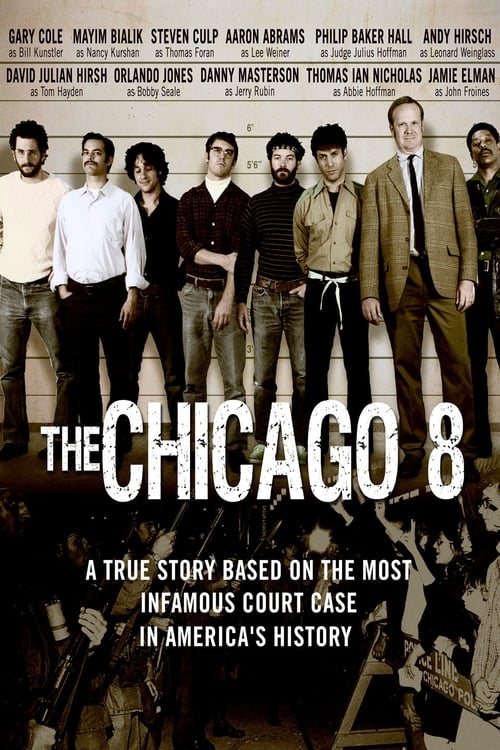
The Chicago 8
2011
No user ratings available yet
Representation score: 5.2 out of 10
Representation Score
Excellent
2008
RDirector
Brett Morgen
Runtime
110 minutes
Average Rating
No ratings yetNew Showbiz Analysis
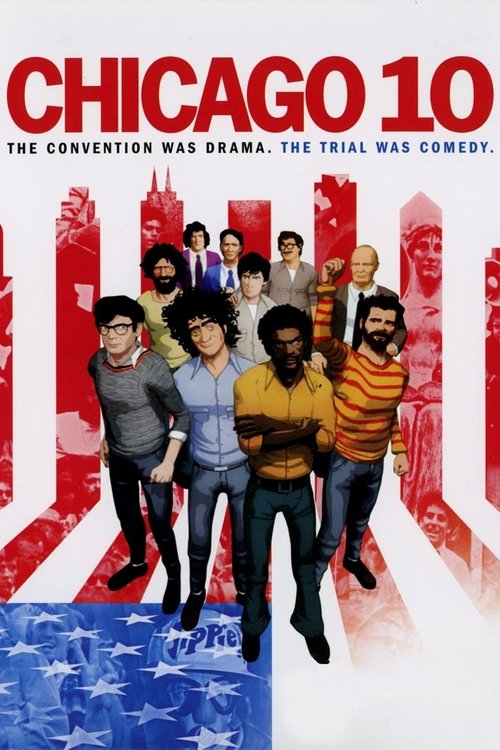
Chicago 10 stands as a subversive historical document that prioritizes the perspective of dissenters over the state. Its key strength lies in elevating underrepresented political voices, especially those of minority activist groups and the Black Panther Party. This offers a crucial counter-narrative to sanitized mainstream histories. However, the film's scope is narrow regarding identity-based representation. It lacks depth in LGBTQ+ and disability-specific narratives, focusing instead on the political and legal dynamics of the era. While it challenges institutional power, it does not explicitly center the subversion of gender roles or queer identities. Ultimately, the film is a powerful critique of systemic oppression and Western institutionalism. It excels at highlighting racialized state responses but remains limited in its exploration of other multi-layered identities.
Category Breakdown
The film focuses on the legal and political battles of the 1968 protests. It does not have a strong emphasis on LGBTQ-specific stories or non-binary identities.
The story centers on male-dominated political spheres. However, it avoids domestic clichés by highlighting women's roles in active civil unrest.
Characters of color, including members of the Black Panther Party, play significant roles in the film. The movie emphasizes the intersection of racial identity and the systemic state response.
The documentary critiques Western institutions. It portrays anti-establishment rhetoric and civil disobedience as necessary rebellions against a corrupt system.
The film does not focus on neurodivergence or physical disabilities. Subjects are evaluated based on their political utility rather than their lived experiences with disability.
Present on Screen
Limited or Absent
Official Synopsis
Archival footage, animation and music are used to look back at the eight anti-war protesters who were put on trial following the 1968 Democratic National Convention.
2011
2017
1968
2016
1979
2012

2012
2008
No reviews yet. Be the first to share your thoughts on this movie!
Use the rating form above to leave a star rating and optional review.