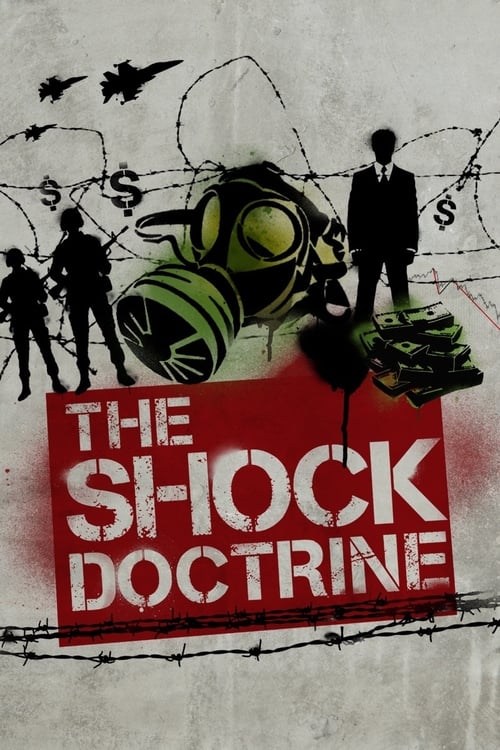
The Shock Doctrine
2009
No user ratings available yet
Representation score: 8.7 out of 10
Representation Score
Excellent
2007
Director
Jonás Cuarón
Runtime
6 minutes
Average Rating
No ratings yetNew Showbiz Analysis
The film excels by centering the Global South and non-Western populations in its historical discourse. By examining events such as the Pinochet coup and the Tiananmen Square Massacre, it highlights how Western economic models impact diverse ethnic contexts. However, the documentary lacks specific focus on individual identity markers. There is little evidence of LGBTQ+ representation or specific gender-based character arcs, as the narrative prioritizes systemic critiques over interpersonal relationships. Ultimately, the film's strength lies in its deconstruction of Western institutional authority. It moves away from traditional clichés to examine how state-sponsored coercion impacts global populations and mental health.
Category Breakdown
The film focuses on political and economic structures rather than individual identity politics. There are no specific character arcs centered around LGBTQ+ individuals.
The documentary challenges traditional hierarchies by shifting focus away from 'great man' history. It portrays state authority as a source of systemic trauma, disrupting masculine archetypes of stable leadership.
The narrative centers on the experiences of the Global South and non-Western populations. It highlights the ability to act and suffering of non-Anglo-Saxon subjects in events like those in Chile and China.
The film critically engages with Western institutions, focusing on capitalism and geopolitical hegemony. These systems are framed as drivers of instability and human rights violations.
The film explores the psychological impact of state-sponsored torture and shock tactics. It provides a look at mental health and the systemic infliction of psychological trauma.
Present on Screen
Limited or Absent
Official Synopsis
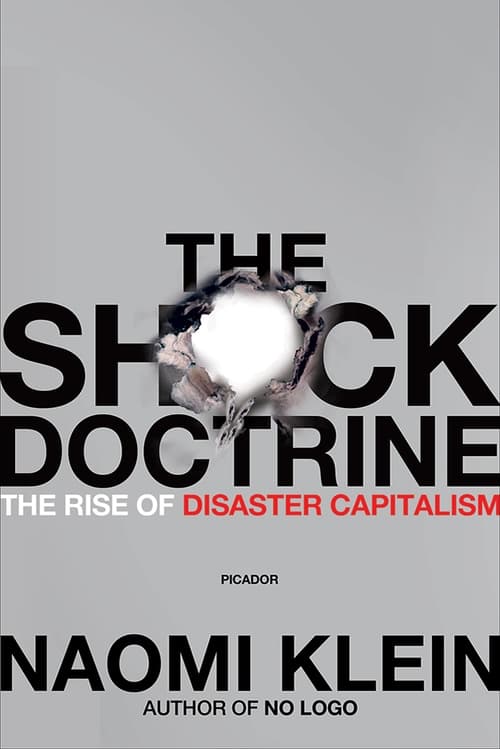
Drawing surprising connections between market methods and CIA torture techniques developed in the 1950s, the film explores how well-known events of the recent past have been theaters for the shock doctrine, from Pinochet's coup in Chile, to the Tiananmen Square Massacre, to the war in Iraq today.
2009
2008

2014

2012
2008

2013
2011

2012
No reviews yet. Be the first to share your thoughts on this movie!
Use the rating form above to leave a star rating and optional review.