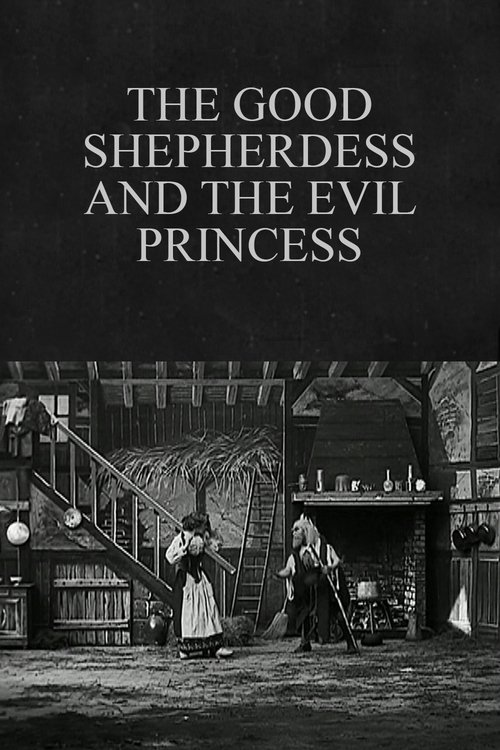
The Good Shepherdess and the Evil Princess
1908
No user ratings available yet
Representation score: 2.4 out of 10
Representation Score
Minimal
1900
Director
Georges Méliès
Runtime
2 minutes
Average Rating
No ratings yetNew Showbiz Analysis
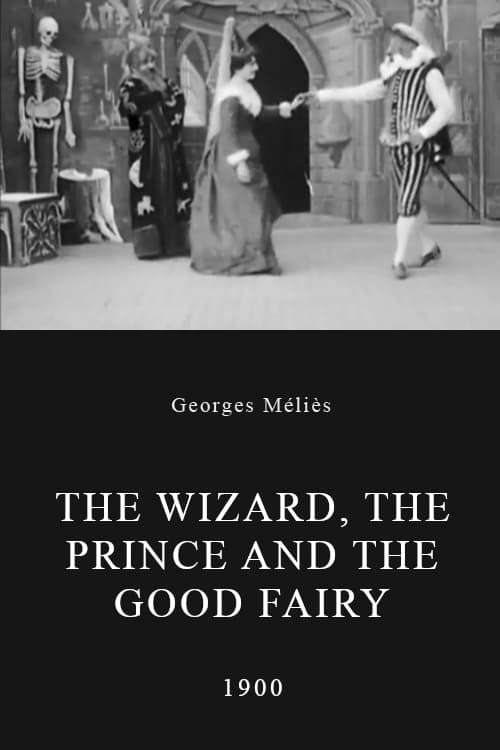
Méliès's work is a foundational example of cinematic illusion that emphasizes visual spectacle over social commentary. The narrative structure is deeply rooted in the conventional social hierarchies of the Belle Époque. While the film is a pioneering work in early trick photography, it does not challenge traditional clichés. It focuses on whimsical theatricality rather than diverse representation.
Category Breakdown
The film does not include any characters with LGBTQ+ identities or same-sex relationships. It follows a traditional fairy-tale structure.
The film uses traditional gender roles. The Good Fairy supports the male lead, emphasizing a hierarchy where women primarily support the male protagonist.
The cast is homogeneous, reflecting early 20th-century European theater. There is no evidence of multicultural casting or actors playing roles outside their own ethnicity.
The film adheres to a traditional moral framework common in early cinema. Magic is used to resolve conflicts within established fairy-tale morals.
There is no evidence of characters with visible or invisible disabilities. Characters are portrayed through idealized, theatrical archetypes.
Present on Screen
Limited or Absent
Official Synopsis
A prince gets the help of a fairy to aid in his conflict with a wizard.
1908
1970
1905
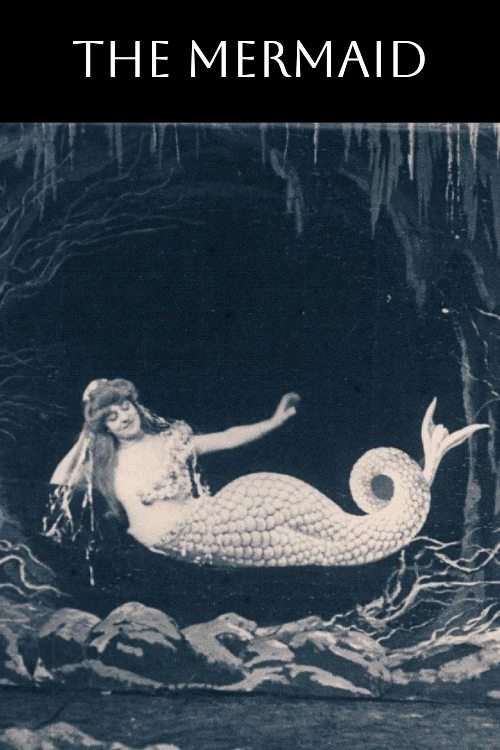
1904
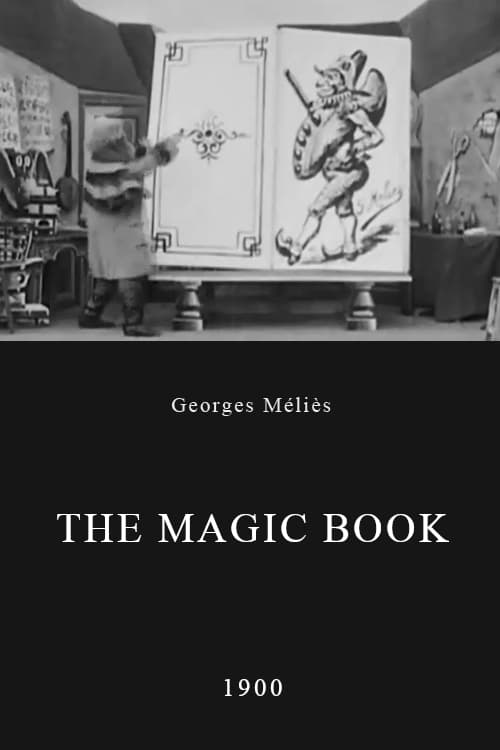
1900
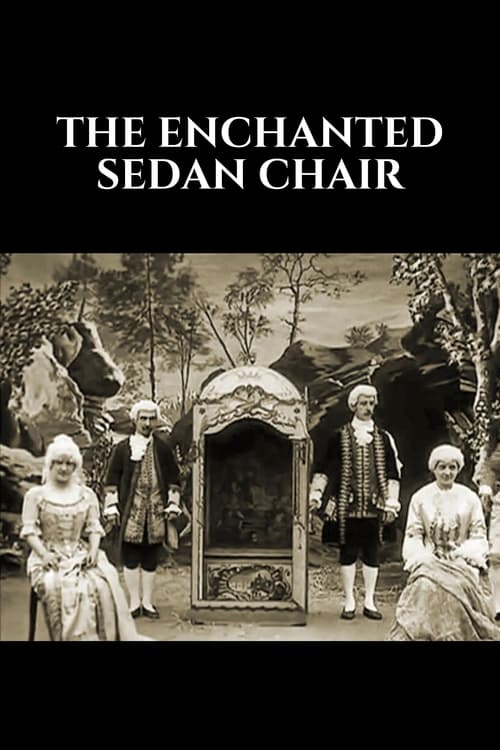
1905
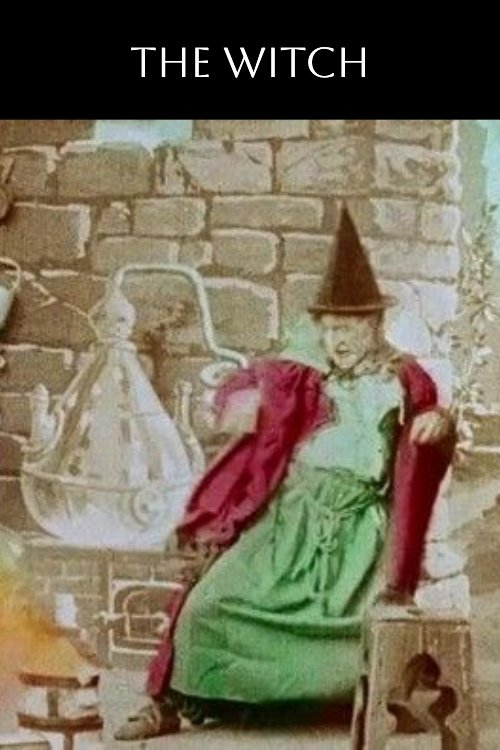
1906
1907
No reviews yet. Be the first to share your thoughts on this movie!
Use the rating form above to leave a star rating and optional review.