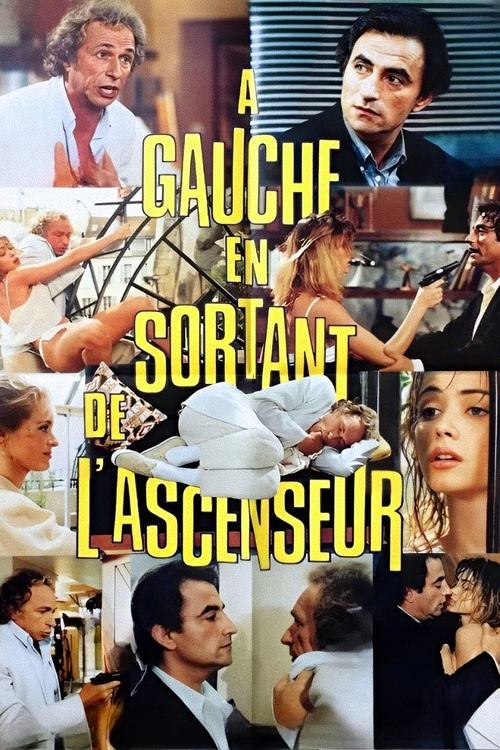
Door on the Left as You Leave the Elevator
1988
No user ratings available yet
Diversity score: 2.8 out of 10
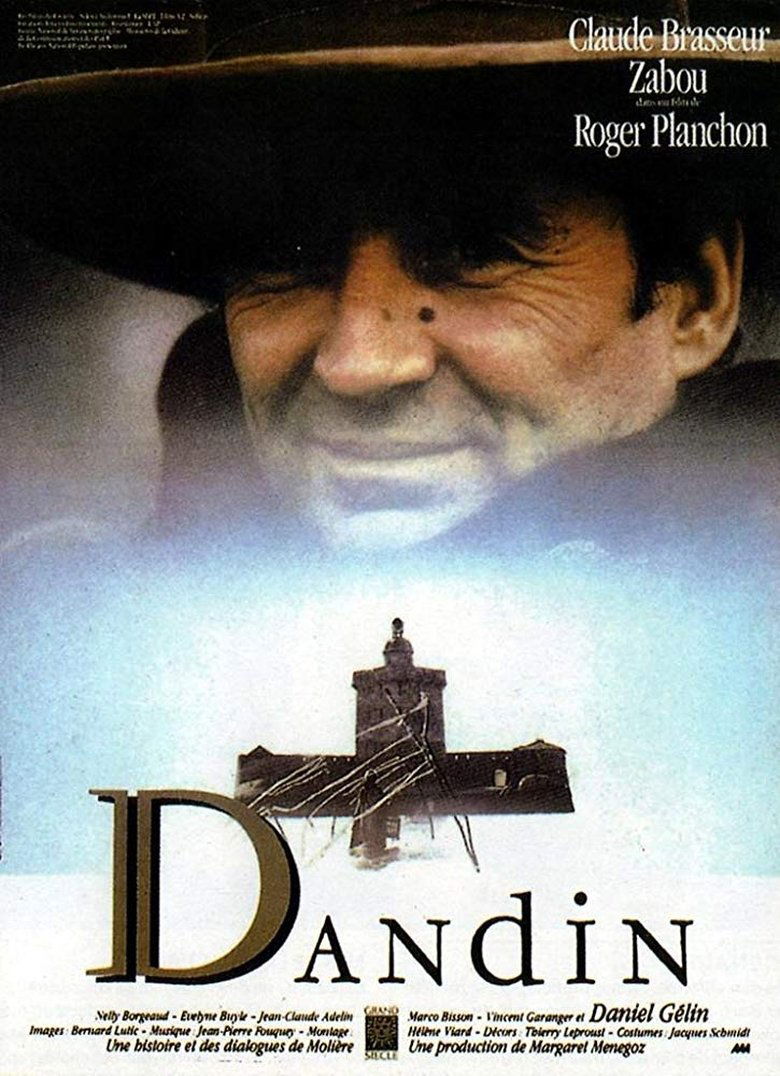
1988
Director
Roger Planchon
Runtime
113 minutes
Average Rating
No ratings yetSynopsis
Claude Brasseur stars in this cinemadaptation of the Moliere play Georges Dandin, ou le mari confondu. Written in 1668, the play has been somewhat dwarfed by such like-vintage Moliere classics as The Imaginary Invalid. Still, it was popular enough in its time to inspire imitation, most notably Betterton's Don Juan and The Amorous Widow. The plot, involving a wealthy man's avoidance of marriage until he is trapped by a crafty widow, is but a peg upon which to hang any number of comic complications and character vignettes. Brasseur's leading lady is the toothsome Zabou.
Overall Score
Limited
Category Breakdown
LGBTQ+ Representation
The narrative focuses on heteronormative romantic complications and the avoidance of marriage. There is no evidence of queer narratives or non-cisnormative identities within this adaptation.
Gender Representation
The story centers on a wealthy man and a crafty widow navigating marriage contracts. While the female lead uses strategic intellect, the film remains rooted in period-specific domestic maneuvering.
Racial & Ethnic Diversity
The production adheres to the historical homogeneity of 17th-century France. The cast and setting reflect a traditional European social structure with minimal intersectional representation.
Religious & Cultural Diversity
The film emphasizes classical French comedy, social status, and familial structures. It operates as a celebration of literary tradition rather than a critique of Western institutions.
Disability Representation
There are no visible or mentioned depictions of physical or neurodivergent disabilities in the work.
Strengths
Areas for Improvement
AI Analysis
Dandin is a traditional period comedy that prioritizes classical literary tropes over modern social representation. The film functions as a cinematic adaptation of Molière, focusing on the social hierarchies and domestic maneuvering of 17th-century France. The narrative is built around heteronormative marriage dynamics and the preservation of established social structures. Consequently, the film lacks diversity in terms of LGBTQ+ identities, racial intersectionality, or disability representation. While the female lead displays agency through intellect, the film's framework is defined by the era's specific gender roles and cultural homogeneity.
1988
1973
1982

1966
1981
1979
1963
1974
1968
1981
1974
1969
No reviews yet. Be the first to share your thoughts on this movie!
Use the rating form above to leave a star rating and optional review.