Out of Mind, Out of Sight
2014
No user ratings available yet
Representation score: 8.7 out of 10
Representation Score
Fair
2016
Not RatedDirector
Jedd Wider, Todd Wider
Runtime
97 minutes
Average Rating
No ratings yetNew Showbiz Analysis
God Knows Where I Am is a specialized documentary that prioritizes deep psychological insight over broad demographic variety. Its primary strength lies in its refusal to treat mental illness as a mere plot device, instead offering a harrowing, dignified look at neurodivergence and the failure of state-sanctioned safety nets. However, the film's narrow focus on a specific domestic American setting results in low scores for racial and LGBTQ+ representation. The narrative is deeply rooted in a white, New Hampshire context, which limits its multi-layered breadth. Ultimately, the film succeeds as a critique of institutional authority. While it lacks diverse social identities, it provides a profound exploration of the tension between individual autonomy and the medical-industrial complex.
Category Breakdown
The film does not include any LGBTQ+ characters or narratives. It focuses solely on the protagonist's psychological and systemic challenges.
The story centers on the female experience and a mother's autonomy. It highlights her struggle against a medical and legal system that often overlooks women in crisis.
Set in a domestic American context with a predominantly white cast, the film lacks significant emphasis on racial diversity or non-Anglo-Saxon perspectives.
The film criticizes Western medical and state institutions as potentially oppressive. It prioritizes the individual's subjective truth over standardized state protocols.
The documentary presents a nuanced view of neurodivergence without romanticizing the condition. It treats mental health as a complex, central component of the subject's identity.
Present on Screen
Limited or Absent
Official Synopsis
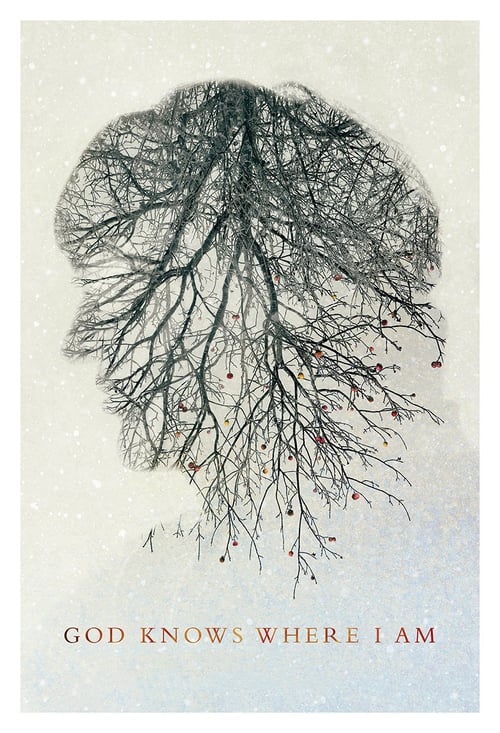
Well-educated, New Hampshire mother, Linda Bishop, was determined to stay free of the mental health system after her early release from a 3 year commitment to New Hampshire State Hospital. Instead, she became a prisoner of her own mind, a fate which she documents in one of the most evocative and chilling accounts of mental illness and of our systemic failure to protect those suffering from it.
2014

2018

2017

2001
2004
2017

2009

2006
No reviews yet. Be the first to share your thoughts on this movie!
Use the rating form above to leave a star rating and optional review.