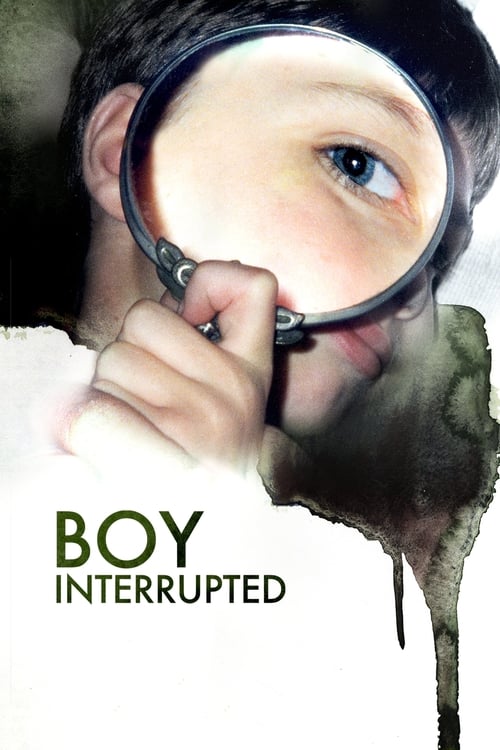
Boy Interrupted
2009
No user ratings available yet
Representation score: 7.1 out of 10

Representation Score
Good
2017
TV-MADirector
Hope Litoff
Runtime
89 minutes
Average Rating
No ratings yetNew Showbiz Analysis
The documentary gains strength from its critical examination of systemic failures. By focusing on the lived experiences of the Litoff sisters, it critiques the medical-industrial complex and the role of the pharmaceutical industry in mental health. While the film lacks broad demographic diversity regarding race and LGBTQ+ identities, it excels in its portrayal of neurodivergence. It treats mental illness as a central, complex reality rather than a mere plot device. Ultimately, the work succeeds by reclaiming the narrative of domestic tragedy from a clinical perspective, offering a deeply personal yet socially relevant examination of modern institutional reliability.
Category Breakdown
The film does not focus on LGBTQ+ identities. Instead, it emphasizes familial bonds and neurodivergence.
The film highlights the roles and perspectives of women. It avoids traditional patriarchal structures by focusing on the intellectual lives of the main characters.
The documentary focuses on a family unit with limited racial diversity. There is no indication of diverse casting or racial blending.
The film critically examines Western institutions and the pharmaceutical industry. It explores how systemic medical structures impact human trauma.
The film portrays mental health and neurodivergence with depth and nuance. It avoids simplistic pity and presents psychological struggles as complex human realities.
Present on Screen
Limited or Absent
Official Synopsis
Traces the life and mental illness of New York artist and photographer Ruth Litoff, and her sister's struggle to come to terms with her tragic suicide.
2009

2011
2017

2006

2013
2015

2021

2022
No reviews yet. Be the first to share your thoughts on this movie!
Use the rating form above to leave a star rating and optional review.