Solitary
2016
No user ratings available yet
Representation score: 5.8 out of 10
Representation Score
Excellent
2014
Director
John Kastner
Runtime
88 minutes
Average Rating
No ratings yetNew Showbiz Analysis
John Kastner’s documentary excels by centering the ability to act of those living within the forensic psychiatric system. By providing unprecedented access to the Brockville facility, the film moves past clinical observation to offer a humanized look at neurodivergence and mental health. The film's greatest strength lies in its refusal to treat patients as passive subjects or mere plot devices. Instead, it focuses on their struggle for autonomy against a society that often demonizes them. This approach effectively challenges the power dynamics between institutional authority and the individual. While the film is highly successful in its portrayal of disability and institutional critique, it lacks specific details regarding racial and LGBTQ+ representation. The narrative's impact is driven more by its systemic critique than by explicit explorations of diverse cultural or sexual identities.
Category Breakdown
The film creates a space where non-traditional identities can exist without being sanitized. However, specific LGBTQ+ character arcs are not detailed in the narrative overview.
The documentary maintains balance by profiling two men and two women. This structure helps disrupt traditional hierarchies by centering female patients' struggles for a significant role within the institution.
The racial composition of the patients and staff is not specified. Representation likely reflects the regional demographics of Ontario, though explicit non-Anglo-Saxon diversity is not confirmed.
The film provides a strong critique of Western institutional power. It prioritizes the subjective truths of patients over the clinical or legal authority of the state and societal norms.
This is a standout category that avoids 'inspiration porn.' It treats neurodivergence as a complex identity, giving patients a significant role in driving their own lived experiences.
Present on Screen
Limited or Absent
Official Synopsis
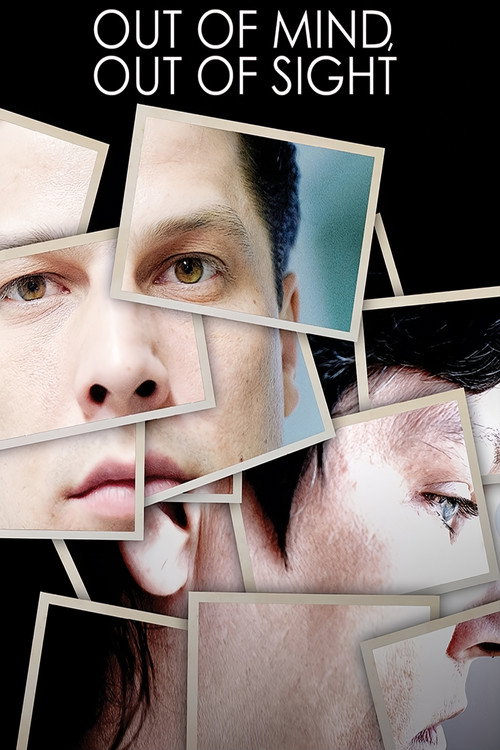
Four-time Emmy winner John Kastner was granted unprecedented access to the Brockville facility for 18 months, allowing 46 patients and 75 staff to share their experiences with stunning frankness. The result is two remarkable documentaries: the first, NCR: Not Criminally Responsible, premiered at Hot Docs in the spring of 2013 and follows the story of a violent patient released into the community. The second film, Out of Mind, Out of Sight, returns to the Brockville Mental Health Centre to profile four patients, two men and two women, as they struggle to gain control over their lives so they can return to a society that often fears and demonizes them.
2016

1967
2004

2016
1996

2001
2020

2006
No reviews yet. Be the first to share your thoughts on this movie!
Use the rating form above to leave a star rating and optional review.