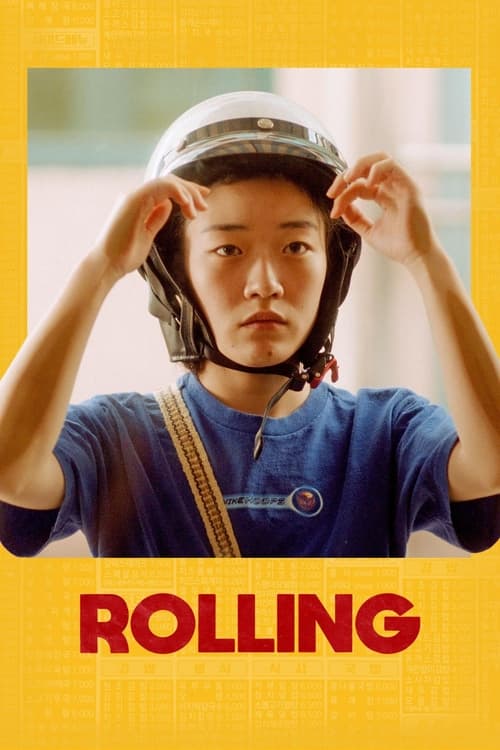
Rolling
2022
No user ratings available yet
Representation score: 4.7 out of 10

Representation Score
Good
2019
Director
Yi Ok-seop
Runtime
88 minutes
Average Rating
No ratings yetNew Showbiz Analysis
Maggie offers a sophisticated, if understated, challenge to traditional storytelling. It avoids polished, idealized social orders, opting instead to highlight the messiness of human interaction and the fragility of social institutions. The film's strength lies in its cultural specificity and its refusal to follow conventional heroic clichés. By utilizing a surrealist, non-linear approach, it disrupts standard cause-and-effect structures to explore human connection. While the film provides a meaningful departure from white-centric global narratives, it remains a mid-range entry regarding progressive identity politics. It prioritizes situational ethics over radical subversion.
Category Breakdown
The story focuses on heterosexual relationships and interpersonal conflicts. It lacks significant representation of non-binary or transgender identities and does not explicitly critique heterosexuality.
Yoon-young's character provides a nuanced look at women's professional autonomy and control. However, the film does not actively challenge traditional gender hierarchies or masculine leadership.
As a South Korean production, the film centers a non-Western perspective. It avoids a Western-centric lens by operating entirely within a localized cultural context.
The narrative explores moral relativism and the breakdown of institutional stability. It functions as a character study of survival rather than an explicit political manifesto.
Themes of infection or physical transformation serve as central plot drivers. These elements act more as metaphors for illness than as platforms for lived-experience representation.
Present on Screen
Limited or Absent
Official Synopsis
A couple's hospital tryst is caught on X-Ray. Thinking she and her boyfriend are the ones in the compromising radiograph, nurse Yoon-young goes in the next day to resign only to find that everyone has called in sick except the head doctor.
2022

2018

2016

2019

2017

2015

2016

2021
No reviews yet. Be the first to share your thoughts on this movie!
Use the rating form above to leave a star rating and optional review.