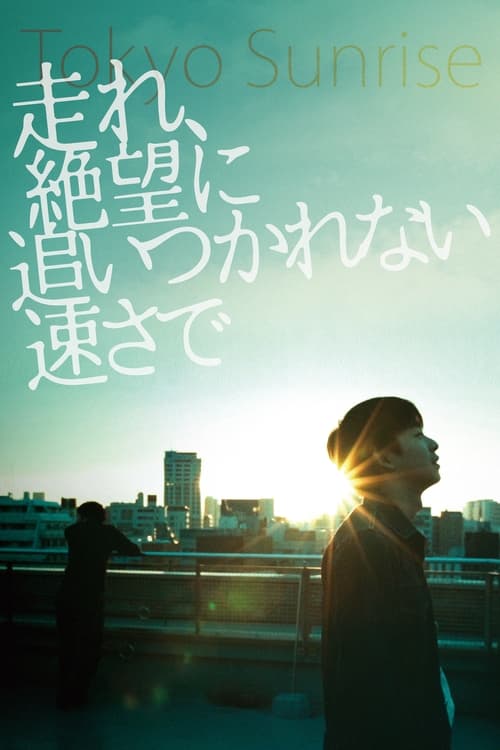
Tokyo Sunrise
2015
No user ratings available yet
Representation score: 4.1 out of 10

Representation Score
Limited
2016
Director
Vanja D'Alcantara
Runtime
95 minutes
Average Rating
No ratings yetNew Showbiz Analysis
Kokoro is a character-driven drama focused on cultural transition and coping with loss. Its diversity comes from its international setting and the journey of a Western protagonist into a Japanese landscape. The film avoids traditional Western homogeneity through its setting, but it does not provide clear evidence of LGBTQ+ identities or disability representation. The narrative structure emphasizes a personal, spiritual journey rather than systemic critique. While Alice leads the plot and demonstrates personal ability to act, the film does not explicitly challenge traditional gender roles or offer clear evidence of queer subtext.
Category Breakdown
The story centers around family grief and personal growth. There are no direct references to non-straight or non-cisgender identities or same-sex relationships.
Alice is the main female character who drives the story forward. Male characters such as Nathan and Daïsuké maintain a traditional balance in the cast.
The story shifts from France to a rural Japanese village. This cross-cultural setting breaks Western homogeneity by placing a Westerner in an Eastern context.
The film explores themes of displacement and seeking peace in a new environment. It hints at engagement with non-Western philosophical or community frameworks.
There is no information about the depiction of physical, neurodivergent, or mental health conditions among the characters.
Present on Screen
Limited or Absent
Official Synopsis
After her brother's death, Alice leave France for Japan and takes refuge in a small village just above the cliffs. Her brother Nathan said to her before he died that he finally founded peace there thanks to a certain Daïsuké. Following his footsteps, Alice will in fact find herself, in a strange and hostile but warm place.
2015
2014
2018

1995

2008
2021
2015

2014
No reviews yet. Be the first to share your thoughts on this movie!
Use the rating form above to leave a star rating and optional review.