
The Derby
1896
No user ratings available yet
Representation score: 0.3 out of 10
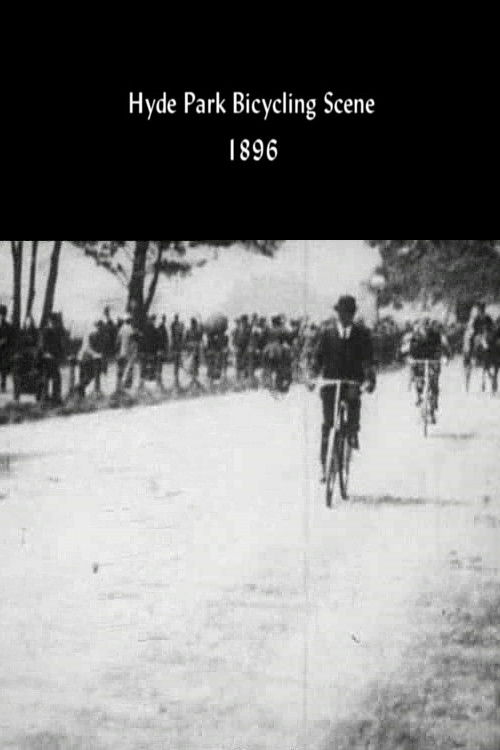
Representation Score
Minimal
1896
Director
Robert W. Paul
Runtime
1 minutes
Average Rating
No ratings yetNew Showbiz Analysis
This documentary serves as a straightforward observation of late 19th-century social reality rather than a tool for intentional representation. It captures a specific moment of technological novelty and class-specific pastime. While the film provides a glimpse into the expanding public roles of women through cycling, it lacks the narrative depth to challenge systemic hierarchies. The subjects largely reflect the homogeneous demographic of the era's upper classes. Ultimately, the work functions as a historical snapshot of the status quo. It documents the stability of Victorian social structures without providing diverse perspectives.
Category Breakdown
The film offers no evidence of non-assuming gender matches what was assigned at birth identities or same-sex intimacy. It remains a brief observation of Victorian leisure focused on movement.
The film shows women engaging in physical activities like cycling, which was unusual for the time. However, they still follow the social norms and dress codes of the era.
The subjects in the film appear to be from a homogeneous group representing London's middle and upper classes. There is no visible evidence of racial or ethnic diversity.
The footage celebrates Victorian leisure and technological advancements. It reinforces existing social structures without offering any cultural or institutional critique.
The film focuses solely on able-bodied individuals participating in high-mobility activities. There are no depictions of physical disabilities or neurodivergent perspectives.
Present on Screen
Limited or Absent
1896
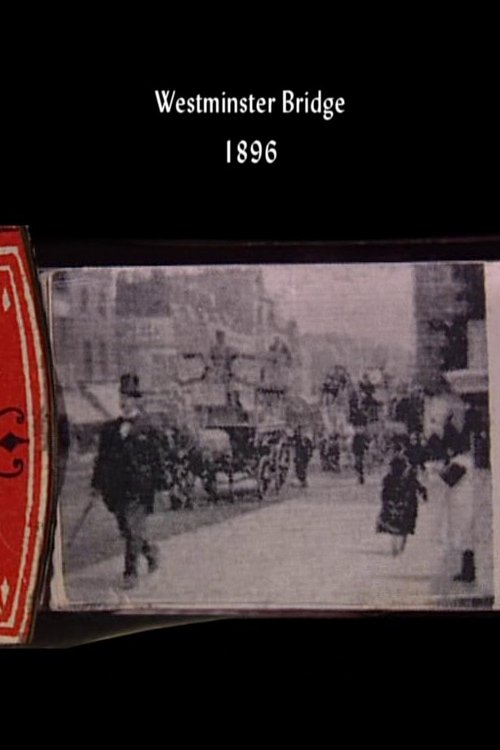
1896
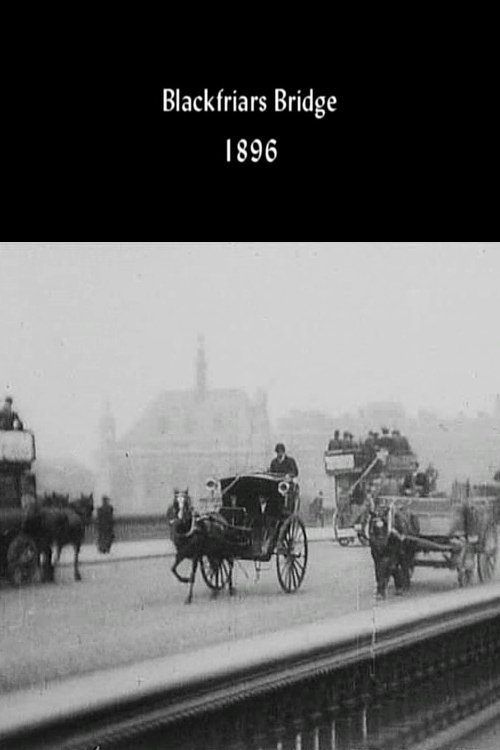
1896
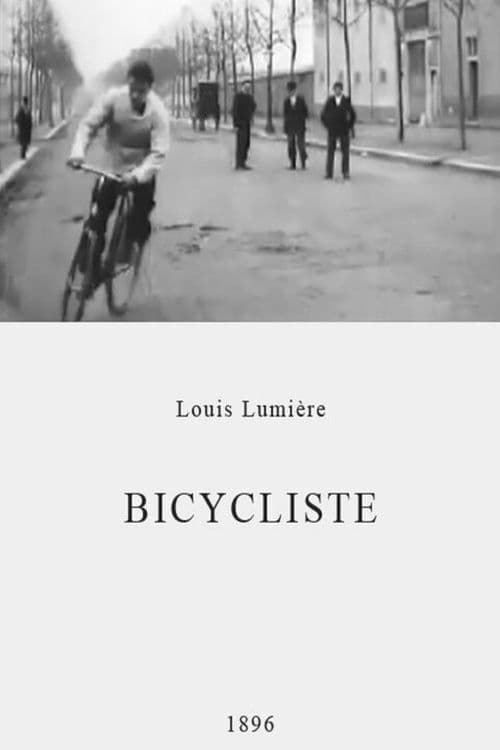
1896

1896
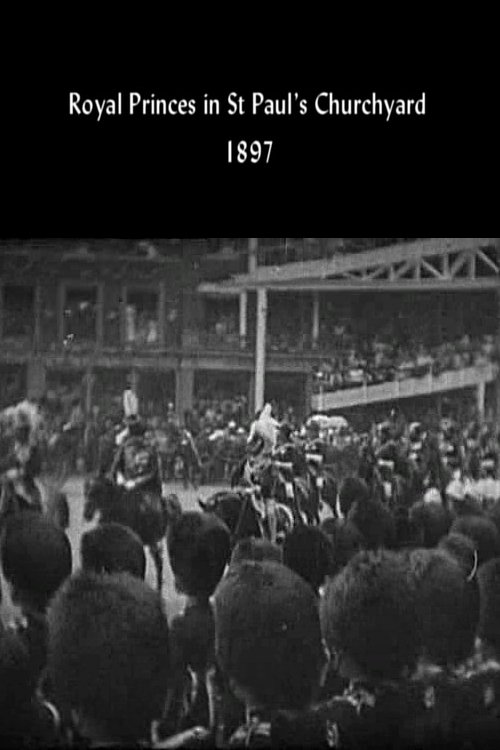
1897
1899
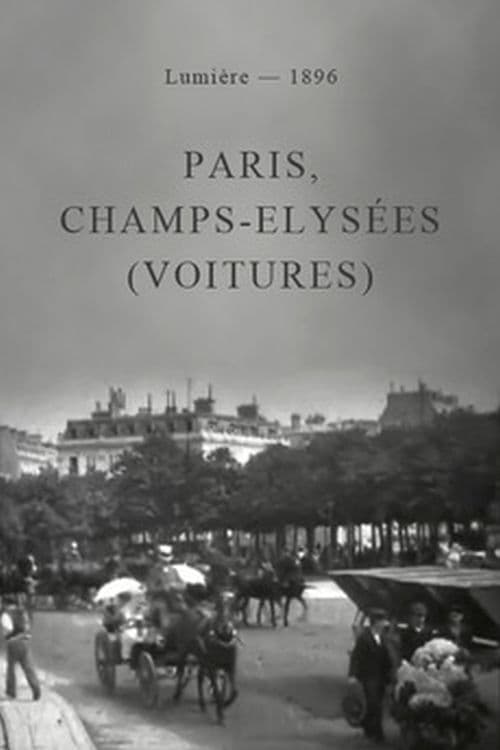
1896
No reviews yet. Be the first to share your thoughts on this movie!
Use the rating form above to leave a star rating and optional review.