Massacre
1989
No user ratings available yet
Diversity score: 2.6 out of 10
1978
NRDirector
Jack Weis
Runtime
97 minutes
Average Rating
No ratings yetSynopsis
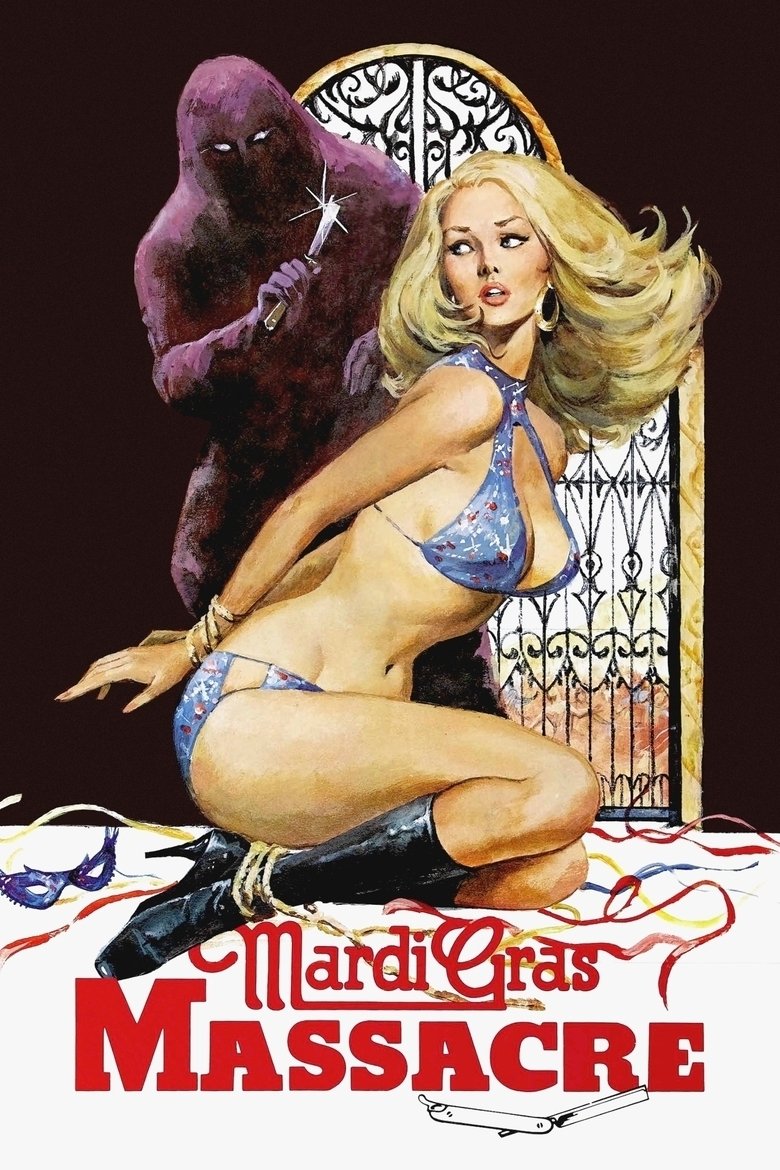
Police try to capture someone who is commiting ritual murders of women during Mardi Gras in New Orleans.
Overall Score
Limited
Category Breakdown
LGBTQ+ Representation
The film lacks LGBTQ+ characters or narratives that critique heteronormativity. It appears to function within a traditional 1970s horror framework without addressing queer identities.
Gender Representation
The narrative centers on the victimization of women through ritual murders. Female characters serve as passive subjects of violence rather than active agents, following common era-specific tropes.
Racial & Ethnic Diversity
While set during New Orleans Mardi Gras, there is no evidence of multicultural depth. The film lacks documented non-white agency or intersectional casting within its narrative.
Religious & Cultural Diversity
The story relies on established horror archetypes through its ritualistic elements. It offers no critique of Western institutions, religion, or systemic power dynamics.
Disability Representation
There is no mention of characters with visible or invisible disabilities within the film's narrative.
Strengths
Areas for Improvement
AI Analysis
Mardi Gras Massacre is a product of the 1970s exploitation and slasher era, prioritizing visceral thrills over social commentary. The film adheres to standard genre conventions that favor traditional hierarchies and established tropes. The narrative structure relies heavily on the victimization of women, which limits gender agency. Furthermore, the film fails to leverage its New Orleans setting to explore meaningful racial or cultural diversity. Ultimately, the work lacks intentional systemic critique or progressive representation, functioning instead as a standard horror piece of its period.
1989
2008
1977
2011
1987

1988
1986

1980
1980
1982
1973
1985
No reviews yet. Be the first to share your thoughts on this movie!
Use the rating form above to leave a star rating and optional review.