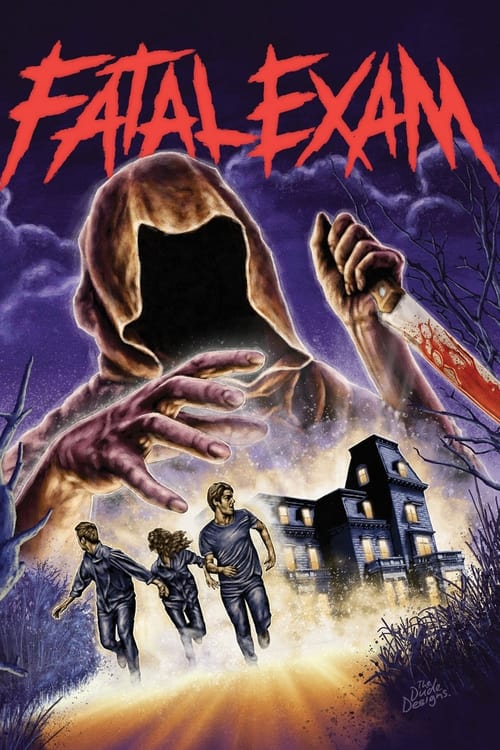
Fatal Exam
1990
No user ratings available yet
Representation score: 3.3 out of 10
Representation Score
Minimal
1986
RDirector
Dominick Brascia
Runtime
87 minutes
Average Rating
No ratings yetNew Showbiz Analysis
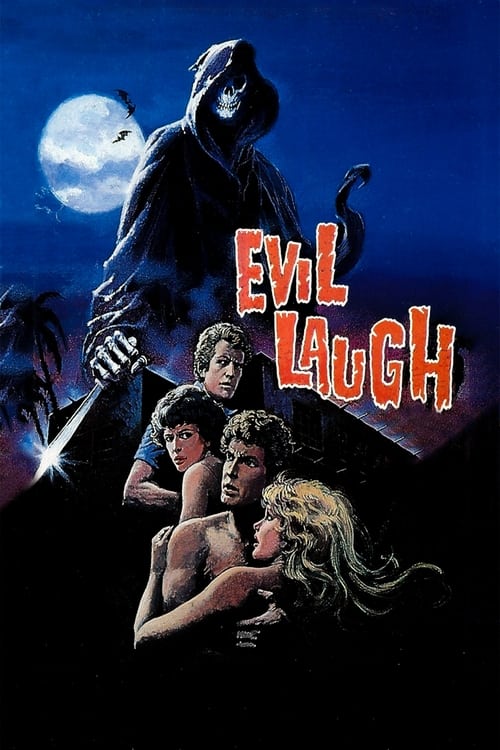
Evil Laugh is a conventional 1980s horror film that emphasizes genre clichés over social complexity. The narrative centers around medical students facing historical trauma, offering little in the way of challenging systemic power dynamics or providing perspectives that reflect multiple aspects of identity. The film reflects the era's tendency towards homogeneous casting and traditional gender roles. It adheres to the standards of its time, focusing on suspense rather than cultural critique.
Category Breakdown
The film does not include any LGBTQ+ characters or narratives. It follows traditional horror structures and character types from the 1980s.
Gender roles in the film follow typical horror hierarchies. Women do not play leading roles in driving the plot.
The cast appears to be predominantly white, with no indication of diverse character backgrounds or non-white representation.
The story focuses on traditional suspense without critiquing Western institutions or religion. It follows a standard survival framework.
There are no characters with visible or invisible disabilities mentioned. The film does not address any issues related to disability.
Present on Screen
Limited or Absent
Official Synopsis
A group of medical students take a weekend to fix up an old house where a mass murder occurred 10 years earlier.
1990
1980
1988
1998
1989
1990
1987
1998
No reviews yet. Be the first to share your thoughts on this movie!
Use the rating form above to leave a star rating and optional review.