Gunday
2014
No user ratings available yet
Representation score: 3.4 out of 10
Representation Score
Fair
2022
Director
Ali Abbas Zafar
Runtime
116 minutes
Average Rating
No ratings yetNew Showbiz Analysis
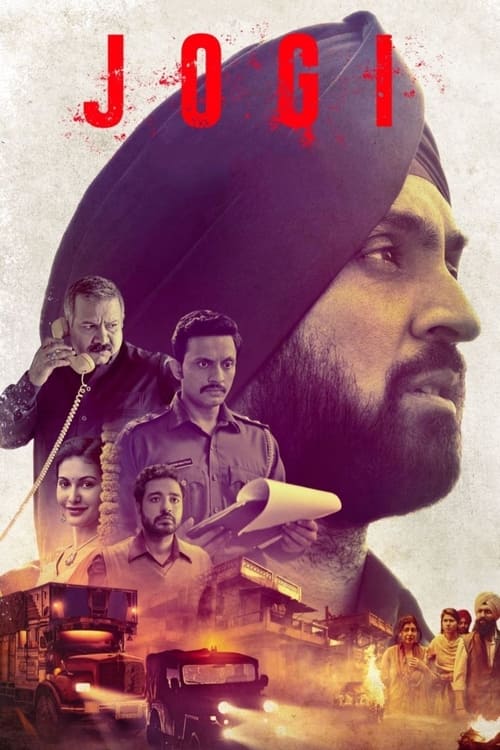
Jogi is a culturally specific period drama that finds its greatest strength in its commitment to regional authenticity. By centering the story on the Punjabi landscape and interfaith solidarity, it avoids homogenized storytelling and provides a rich, ethnic-focused narrative. However, the film remains heavily anchored in traditional social structures. The narrative architecture relies on masculine clichés and assumptions that everyone is straight or cisgender, which limits the breadth of its social commentary. While it explores systemic tyranny, it does so through a lens of conventional heroism. Ultimately, the film succeeds as a localized drama but lacks the diversity of perspective required to deconstruct broader gender or identity hierarchies.
Category Breakdown
The film follows conventional structures typical of regional action-dramas and does not include any visible evidence of queer narratives or non-traditional gender identities.
Male characters dominate the story through traditional masculine archetypes. Heroism is portrayed through physical struggle and stoicism, offering limited challenges to gender hierarchies.
The film excels in regional authenticity by featuring a South Asian cast reflecting 1980s Punjab. It centers characters of color with high ability to act, providing robust representation.
A trio of friends from different faiths suggests a pluralistic approach to social cohesion. However, spiritual themes remain rooted in traditional asceticism rather than secular frameworks.
The narrative prioritizes physical prowess and survivalist ability to act. There is no significant focus on visible or invisible disabilities or characters serving as meaningful agents through disability.
Present on Screen
Limited or Absent
Official Synopsis
Amid tension in 1980s India, three friends of different faiths unite in a noble yet dangerous effort to save hundreds in their town.
2014

2011
1989
2017
1998
2013
2011
2004
No reviews yet. Be the first to share your thoughts on this movie!
Use the rating form above to leave a star rating and optional review.