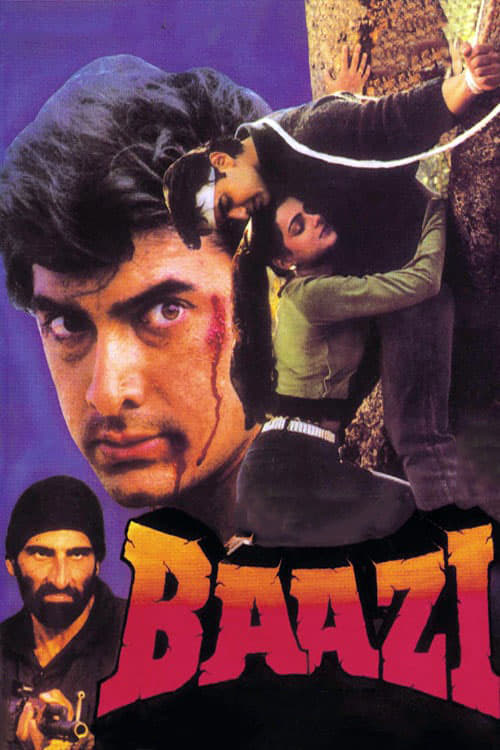
Baazi
1995
No user ratings available yet
Representation score: 3.9 out of 10
Representation Score
Limited
1998
Not RatedDirector
Vikram Bhatt
Runtime
162 minutes
Average Rating
No ratings yetNew Showbiz Analysis
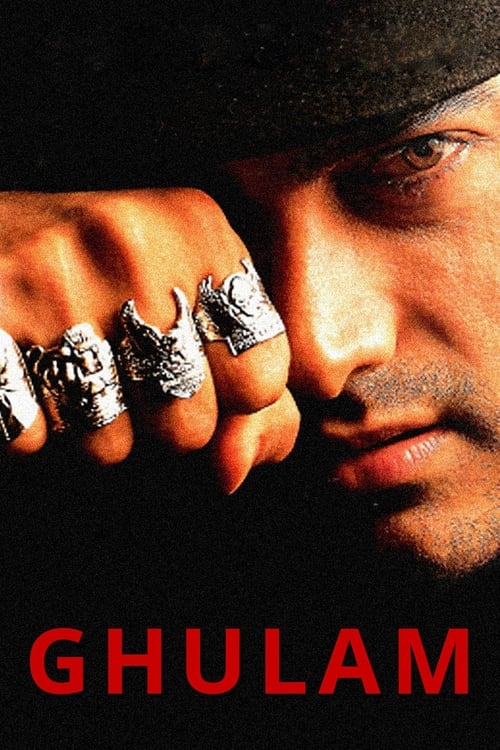
Ghulam is a quintessential 1990s action drama that prioritizes traditional heroic archetypes over social subversion. The film excels at grounding its conflict in local Mumbai community dynamics, offering an authentic sense of place and socioeconomic reality. However, the narrative reinforces conventional social hierarchies, with female characters and underrepresented identities remaining largely sidelined or relegated to supporting roles. Ultimately, the film functions as a classic struggle between individual morality and local corruption, lacking the multi-layered complexity found in more progressive modern cinema.
Category Breakdown
The film adheres to a strictly heterosexual and cisgender perspective, with no depiction of LGBTQ+ identities or relationships.
Gender roles follow traditional hierarchies. Alisha, associated with a motorcycle gang, shows independence but primarily serves as a romantic catalyst for the male lead.
The cast is culturally homogeneous, reflecting a South Asian setting. It offers an authentic look at Mumbai's urban socioeconomic layers and local identity.
The story emphasizes local tyranny and community autonomy. Traditional patriotic themes, such as the protagonist's father being a freedom fighter, are used to drive the plot.
There is no representation of physical or neurodivergent disabilities within the narrative.
Present on Screen
Limited or Absent
Official Synopsis
Sidharth (Aamir Khan), is a Mumbai 'Tapori' and a boxing champion. His elder brother, Jai (Rajat Kapoor) works with Raunak Singh (Sharad Saxena), who now rules their "Basti" through terrorising its people and collecting 'Hafta' from local merchants. Sidharth idolized his father, a freedom fighter, whom he saw falling to his death as a child. This effects Sidharth through his adult life. Sidharth meets a young girl, Alisha (Ranee Mukherjee), who rides with a motorcycle gang and Charlie (Deepak Tijori), the gang leader. Sidharth also meets Hari, whose idealism reminds him of his father. Hari's social work in the community possess a threat to Raunak Singh's evil empire. What happens to Hari changes Sidharth's life forever. How Sidharth breaks Raunak Singh's chains of 'Ghulami' around the community forms the crux of the story. Featuring the superhit song "Aati Kya Khandala" sung by Aamir Khan.
1995
2014
1985
1991
2018

1994
1991
1996
No reviews yet. Be the first to share your thoughts on this movie!
Use the rating form above to leave a star rating and optional review.