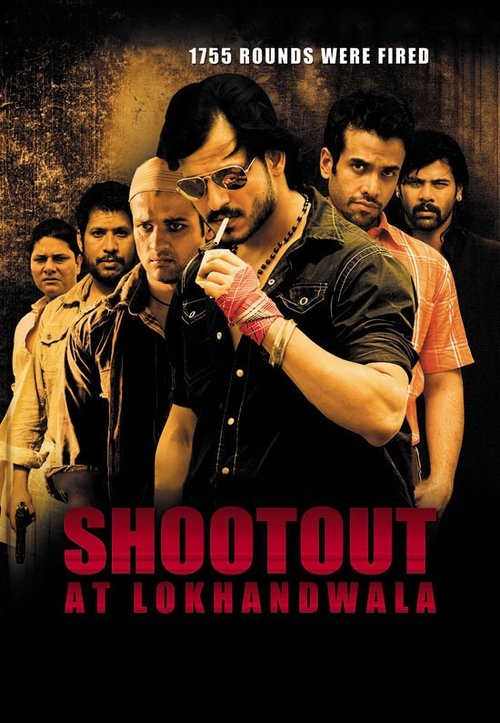
Shootout at Lokhandwala
2007
No user ratings available yet
Representation score: 3.3 out of 10
Representation Score
Minimal
2013
NRDirector
Sanjay Gupta
Runtime
150 minutes
Average Rating
No ratings yetNew Showbiz Analysis
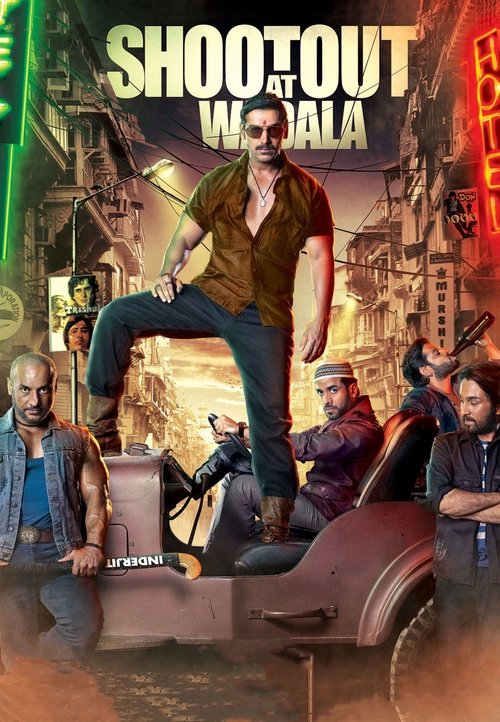
Shootout at Wadala is a stylized crime thriller that prioritizes high-octane action and traditional masculine archetypes. The film functions as a commercial product of its era, focusing on individual power struggles rather than progressive social commentary. The narrative structure is built upon conventional power dynamics. It offers minimal engagement with the way different parts of someone's identity overlap, instead adhering to established genre conventions of the criminal underworld. While the film accurately reflects the South Asian setting of its historical subject matter, it lacks depth in terms of social subversion or diverse representation.
Category Breakdown
The film focuses entirely on hyper-masculine conflicts within the criminal underworld. It lacks any engagement with LGBTQ+ identities or themes that question the assumption that everyone is straight or cisgender.
Male-driven action and rivalry dominate the narrative, reinforcing traditional gender hierarchies. Female characters are relegated to secondary, peripheral roles without much control over their own lives.
The cast is predominantly South Asian, reflecting the specific demographic reality of the Mumbai underworld. It avoids whitewashing but remains largely homogeneous within its ethnic context.
The story follows a conventional good versus evil framework common to commercial action films. It treats corruption as a genre cliché rather than a systemic critique.
There is no discernible presence of characters with visible or invisible disabilities. The narrative provides no real power to neurodivergent or physically disabled individuals.
Present on Screen
Limited or Absent
Official Synopsis
The first-ever registered encounter by the Mumbai Police, which took place on November 1, 1982.
2007
2004
2021
2010
2013
2013
1995
No reviews yet. Be the first to share your thoughts on this movie!
Use the rating form above to leave a star rating and optional review.