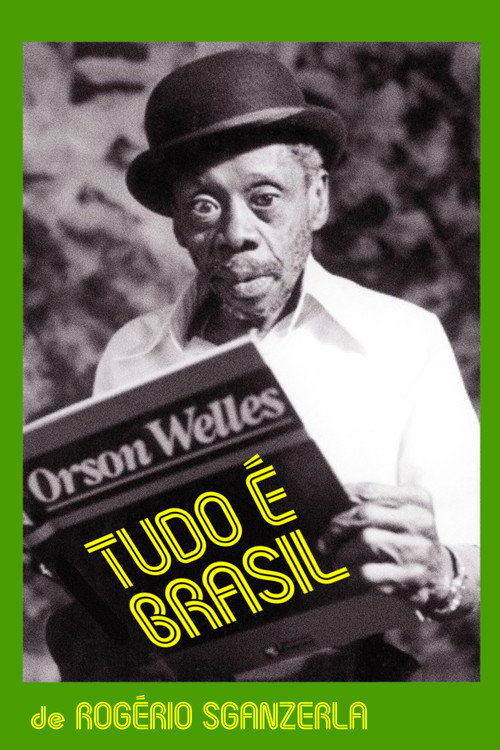
It's All Brazil
1997
No user ratings available yet
Representation score: 8.6 out of 10

Representation Score
Good
1986
Director
Rogério Sganzerla
Runtime
95 minutes
Average Rating
No ratings yetNew Showbiz Analysis
Rogério Sganzerla’s work uses the *Cinema Marginal* movement to challenge mainstream storytelling structures. By placing Orson Welles in a Brazilian context, the film questions Western cultural dominance and the idea of a single, objective truth. The film stands out in its cultural and racial representation by highlighting the Brazilian landscape and its diverse population. This approach moves the viewer away from Western-centric views toward a more global perspective. While the film’s transgressive nature suggests a potential for non-traditional themes, there is no specific data on LGBTQ+ or disability representation. The film’s strength lies in its systemic critique of authority and cultural interventionism.
Category Breakdown
The film hints at non-traditional themes through its bold style, but it doesn't clearly depict same-sex relationships or queer characters.
By mixing documentary and fiction, the film breaks down typical male lead stereotypes. It presents a more chaotic and layered view of gender roles.
The story focuses on non-Western perspectives by merging a Western icon with Brazilian realities. This shifts the focus from Western homogeneity to a more global viewpoint.
The hybrid format questions Western cinematic dominance and the idea of objective truths. It promotes moral flexibility and deconstructs traditional storytelling authority.
There is no verifiable evidence regarding the portrayal of physical or neurodivergent characters in this work.
Present on Screen
Limited or Absent
Official Synopsis
Orson Welles goes to Brazil to shoot his documentary It's All True.
1997

1995
1993
1996

2003
1981

1966
1987
No reviews yet. Be the first to share your thoughts on this movie!
Use the rating form above to leave a star rating and optional review.