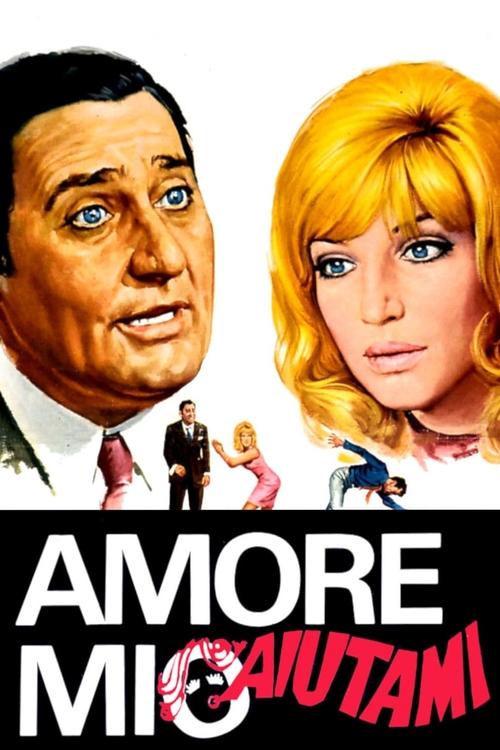
Help Me, My Love
1969
No user ratings available yet
Representation score: 2.1 out of 10
Representation Score
Limited
1969
XDirector
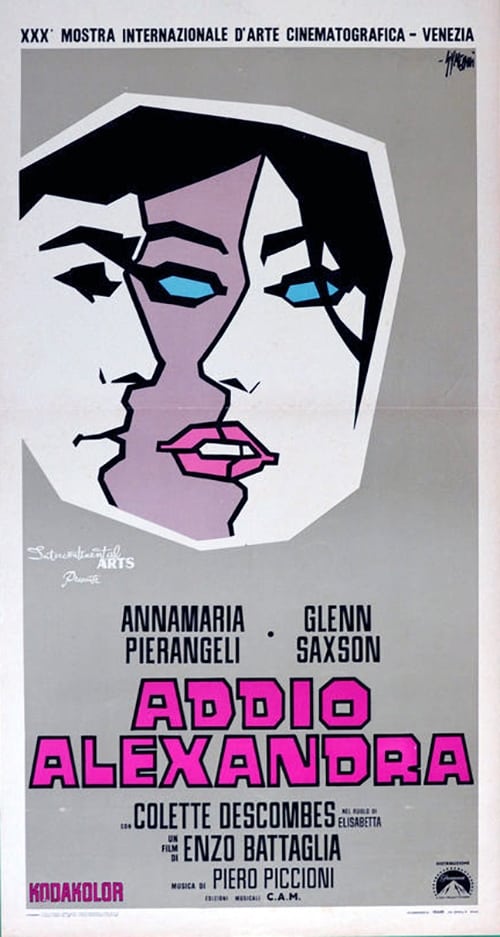
Enzo Battaglia
Runtime
91 minutes
Average Rating
No ratings yetNew Showbiz Analysis
Love Me, Love My Wife operates as a conventional domestic drama centered on the intricacies of marriage. The plot revolves around a woman's efforts to help a couple reconcile, positioning her as a key figure in the story's development. However, the film's structure seems to uphold rather than challenge the social and marital norms typical of its era. The narrative emphasizes interpersonal boundaries and the sanctity of the nuclear family. Ultimately, the film lacks evidence of challenging these norms or representing diverse identities, adhering instead to the demographic and social norms of late 1960s European genre cinema.
Category Breakdown
The film centers on a traditional marital framework without addressing non-straight relationships or critiquing the assumption that everyone is straight.
A female character drives the plot by offering her home to help a couple, but the central conflict reinforces traditional domestic roles and the importance of marriage.
The production likely follows the demographic norms of 1969 European cinema, with no indication of diverse casting or non-Anglo-Saxon majority representation.
The narrative prioritizes the preservation of the nuclear family unit, aligning with traditional Western social values without presenting secularist or anti-institutional critiques.
The available information provides no mention of characters with visible or invisible disabilities.
Present on Screen
Limited or Absent
Official Synopsis
A woman offers her country home to friends to help them save their marriage, but her well-meaning gesture creates a new problem.
1969
1955
1962
1963
1979

1972
1960
1964
No reviews yet. Be the first to share your thoughts on this movie!
Use the rating form above to leave a star rating and optional review.