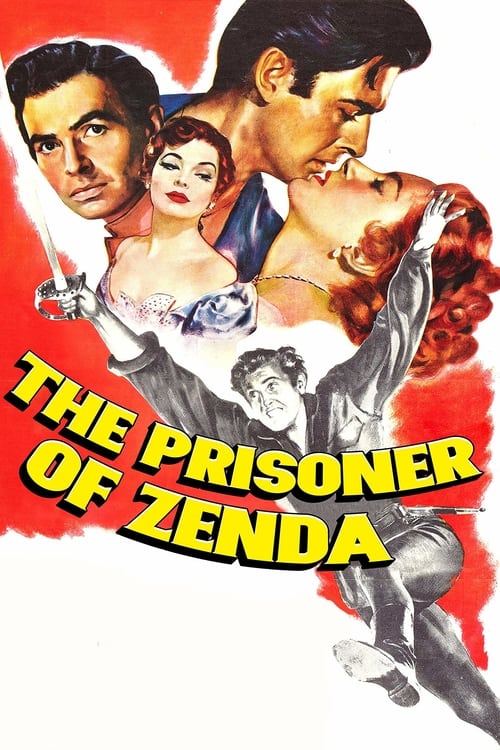
The Prisoner of Zenda
1952
No user ratings available yet
Representation score: 0.4 out of 10
Representation Score
Minimal
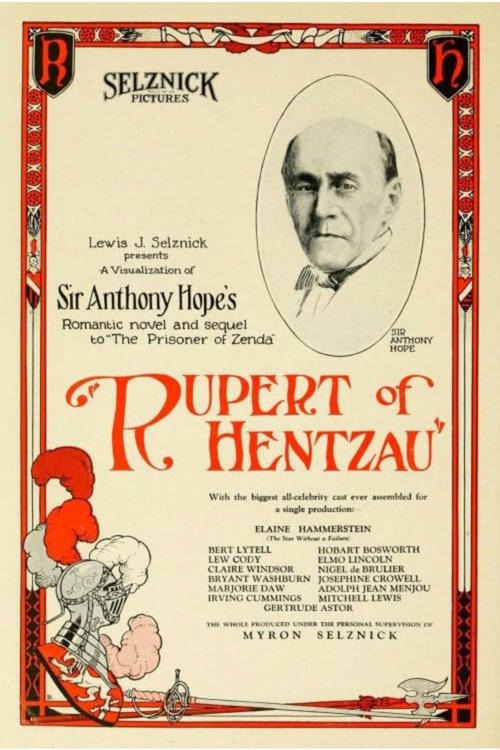
1923
PassedDirector
Victor Heerman
Runtime
90 minutes
Average Rating
No ratings yetNew Showbiz Analysis
Rupert of Hentzau exemplifies early cinematic traditions. The narrative structure supports the social and gender hierarchies of the 1920s. As a silent-era swashbuckler, the film emphasizes genre clichés such as aristocratic intrigue and romantic melodrama. It promotes conventional heroism rather than exploring diverse identities. Ultimately, the film adheres to period-specific constraints, favoring established social stratification and idealized nobility over complex representations.
Category Breakdown
The film focuses on traditional romantic pairings and does not include any non-cisgender identities or same-sex relationships.
Women play important roles in shaping social dynamics, but the main drivers of political and physical conflict are male characters.
The cast reflects a uniform European appearance typical of the time, reinforcing a Western-centric perspective.
The story upholds the sanctity of monarchy and aristocracy, reinforcing traditional Western power structures without critique.
There are no characters with visible or invisible disabilities. The genre emphasizes physical prowess over neurodivergent traits.
Present on Screen
Limited or Absent
Official Synopsis
Rudolf Rassendyll returns to Ruritania to play the King once more. Lost adaptation of the eponymous Anthony Hope novel, the sequel of the "Prisoner of Zenda".
1952

1952
1937

1938
1922
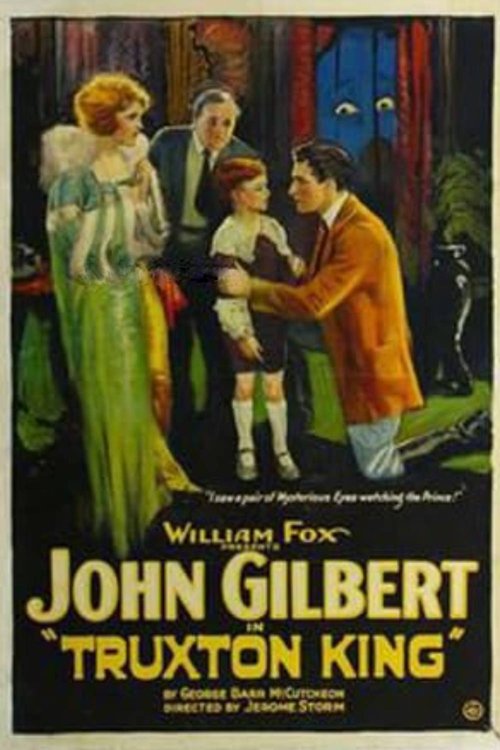
1923
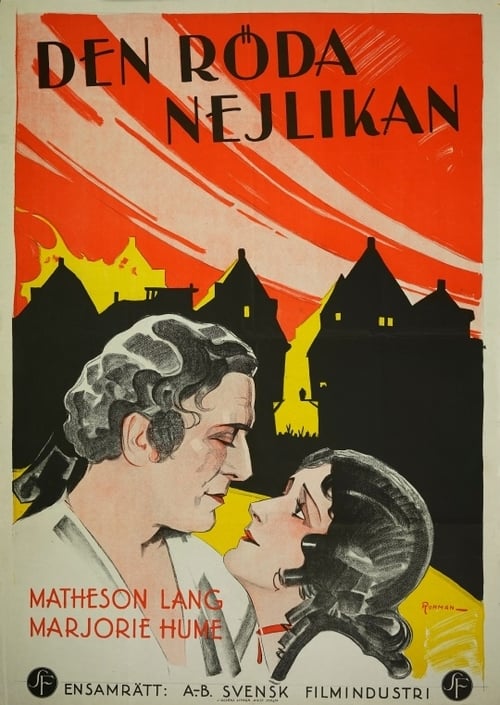
1928
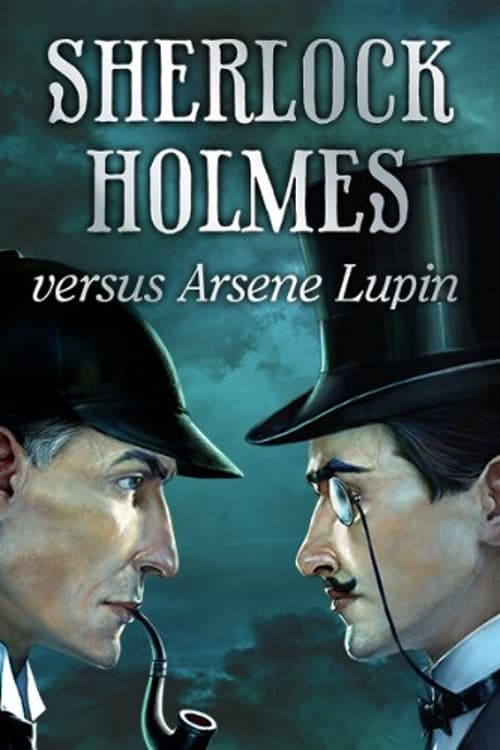
1910
No reviews yet. Be the first to share your thoughts on this movie!
Use the rating form above to leave a star rating and optional review.