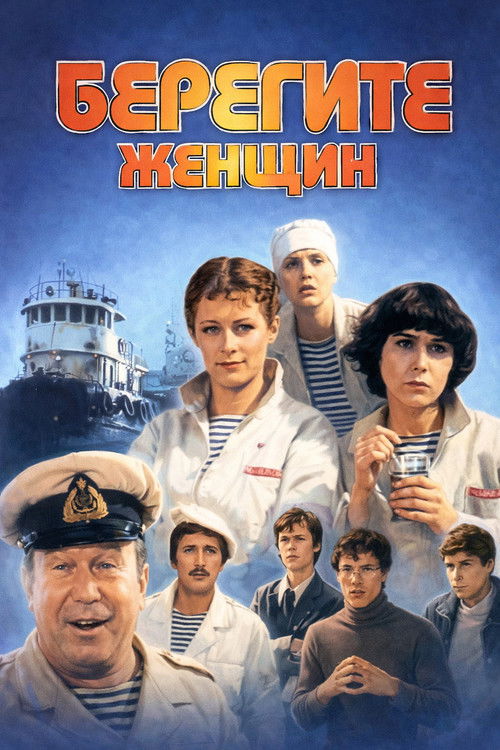
Take Care of the Women!
1981
No user ratings available yet
Representation score: 4.8 out of 10

Representation Score
Limited
1985
Director
Yevgeni Gerasimov
Runtime
68 minutes
Average Rating
No ratings yetNew Showbiz Analysis
Do Not Marry, Girls is set in a specific 1980s Soviet context, emphasizing communal stability over diverse identity representation. The film's focus on a rural collective farm leads to a demographically homogeneous setting with little racial or ethnic variation. The plot delves into the tension between women's desire for urban independence and the control imposed by male authority figures. While this offers a glimpse into gendered social dynamics, the film remains anchored in traditional structures. Overall, the work serves as a study of institutional control rather than a platform for diverse representation. It reflects the social hierarchies and limited demographic scope typical of state-sponsored cinema from this period.
Category Breakdown
The film focuses on traditional marriage themes within a rural collective. There are no queer narratives or non-conforming gender identities present.
The story centers on the empowerment of young women, but the main conflict involves a male leader managing their social mobility. This highlights the tension between female autonomy and patriarchal control.
The setting suggests a homogeneous ethnic community typical of a Soviet-era collective farm. There is no indication of mixed ethnicities or racial diversity.
The narrative examines the tension between institutional authority and personal freedom. It portrays a communal structure that questions how leadership tries to control social progress.
There are no characters with visible or hidden disabilities featured in the film's storyline.
Present on Screen
Limited or Absent
Official Synopsis
A chairman of a Kolkhoz tries to organize a musical band in order to prevent kolkhoz girls to escape into a big city.
1981

1962
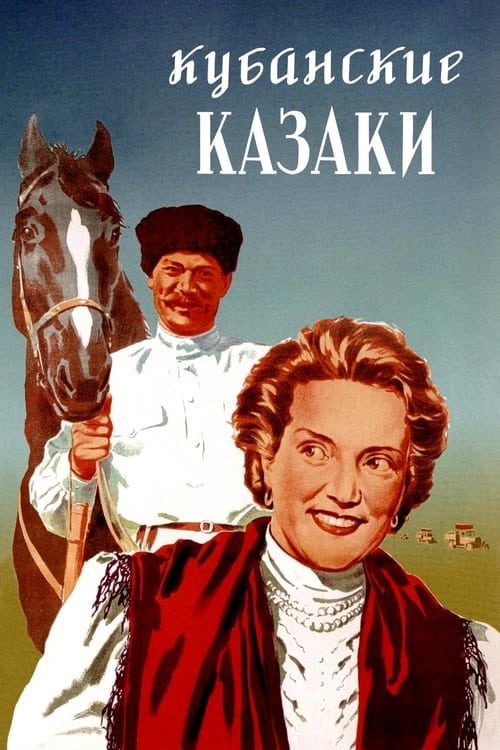
1950
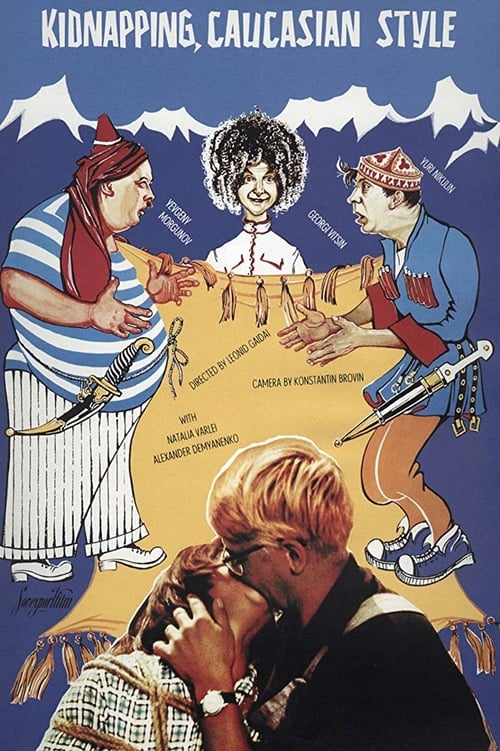
1967
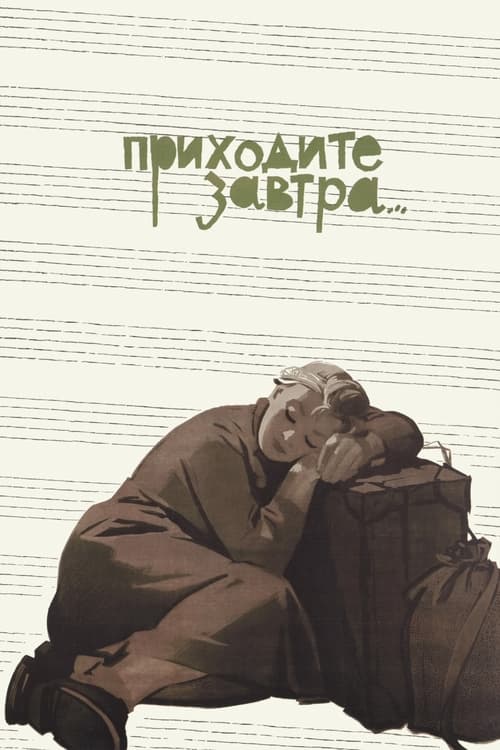
1962
1982
1948

2024
No reviews yet. Be the first to share your thoughts on this movie!
Use the rating form above to leave a star rating and optional review.