
Do Not Marry, Girls
1985
No user ratings available yet
Representation score: 3.3 out of 10
Representation Score
Limited
2024
Director
Yuri Sharov
Runtime
114 minutes
Average Rating
No ratings yetNew Showbiz Analysis
The film is a conventional period romance that emphasizes individual emotional journeys over stories that consider multiple aspects of identity. It relies on established genre clichés, focusing on a localized conflict within a sanatorium setting. Character roles are largely shaped by traditional social hierarchies and masculine power struggles. The narrative lacks the complexity needed to explore underrepresented identities or social critiques. Ultimately, the work maintains a traditional approach to social dynamics, offering limited representation of diverse groups or the subversion of historical norms.
Category Breakdown
The film follows a traditional heterosexual romantic storyline between Sasha and Polina. It does not include non-binary gender identities or narratives that question the assumption that everyone is straight. Instead, it adheres to conventional romantic storylines.
Polina serves as the object of desire in a power struggle between two men. Her role is heavily influenced by the male characters' motivations, reinforcing traditional gender roles rather than challenging them.
The setting suggests a culturally uniform environment typical of late-90s regional settings. There is no indication of a multi-ethnic cast or the use of diverse casting.
The story operates within a standard romantic comedy framework. While it critiques a corrupt authority figure, it does not prioritize examining traditional institutions or exploring secular themes.
There is no mention of characters with visible or invisible disabilities. The narrative does not provide any information regarding neurodivergence or physical impairments.
Present on Screen
Limited or Absent
Official Synopsis
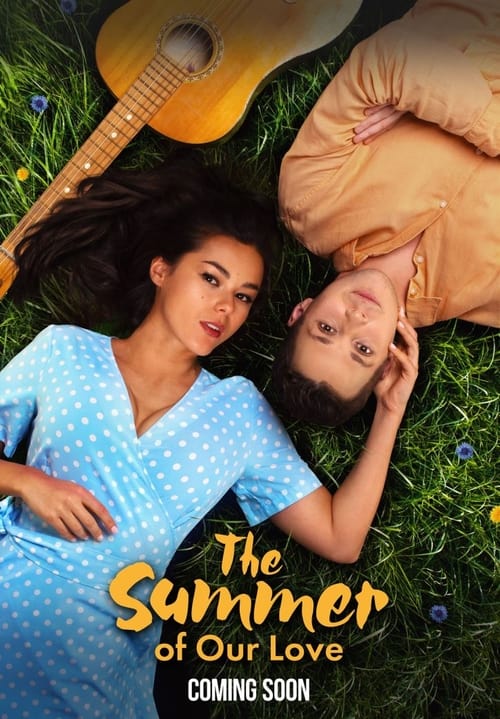
It's 1999. Sasha and his parents spend their summer holiday in a sanatorium, where he gets the titular role in an amateur musical production of Orpheus and Eurydice. He is paired with Polina, an employee of the sanatorium and a local beauty. Sasha falls in love with a girl and, without realizing it, drags himself and his family into an unequal battle with the manager of the sanatorium Misha, who does not hesitate to use any leverage so that Polina stays with him.
1985

2008
1982
1967
1981

2024

2019
1948
No reviews yet. Be the first to share your thoughts on this movie!
Use the rating form above to leave a star rating and optional review.