
Do Not Marry, Girls
1985
No user ratings available yet
Representation score: 3.3 out of 10
Representation Score
Limited
1950
Director
Ivan Pyryev
Runtime
0 minutes
Average Rating
No ratings yetNew Showbiz Analysis
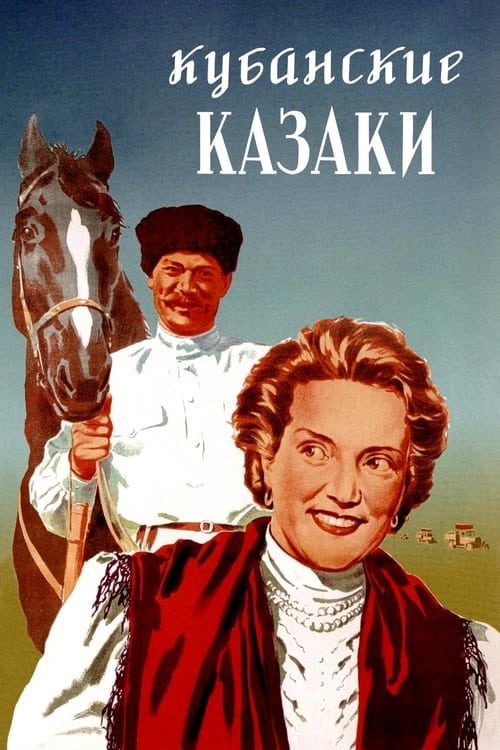
Ivan Pyryev’s film is a celebratory musical that prioritizes ideological and communal values over individual identity. It excels in its cultural depiction of socialist progress, framing the shift from private property to collective farming as a moral triumph. However, the film remains socially conservative in its interpersonal dynamics. Women hold leadership positions but are still tied to traditional romantic arcs. The ethnic homogeneity limits the scope to a specific regional demographic. Ultimately, the work functions as a utopian vision of state-aligned life, subverting Western economic norms while maintaining traditional gender and sexual norms.
Category Breakdown
The film follows strict conventions that assume everyone is straight or cisgender. There are no LGBTQ+ identities represented, and the plot revolves around heterosexual relationships between male and female leads.
Women play important leadership roles, such as Galina's position as a kolkhoz chairwoman. However, the narrative also includes traditional romantic subplots that balance these roles.
Casting is consistent with the specific Slavic and Cossack demographics of the Kuban region, presenting a localized identity as the universal standard.
The film celebrates the shift towards collective ownership and communal living. It emphasizes state-aligned social morality over religious traditions and individualist capitalism.
Characters are portrayed as idealized, able-bodied representatives of the Soviet working class. There are no prominent depictions of physical or neurodivergent disabilities.
Present on Screen
Limited or Absent
Official Synopsis
In the steppes of the Kuban love is born on two collective farms while wheat is (enthusiastically) gathered. Galina, the energetic chairwoman of one of the two kolkhozes, vies with her male counterpart for the best harvest. At the same time Gordey, her rival, a former soldier, is (and has been for ages) in love with her. On her part, Dasha a collective farm worker, has heartbeat for a young technician of the competing kolkhoz...
1985

1962
1981
1967
1941

1939
1959
1948
No reviews yet. Be the first to share your thoughts on this movie!
Use the rating form above to leave a star rating and optional review.