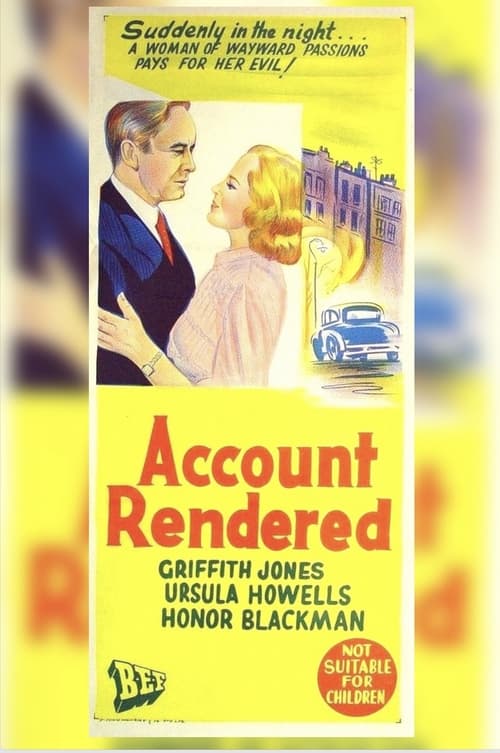
Account Rendered
1957
No user ratings available yet
Representation score: 1.9 out of 10
Representation Score
Limited
1950
Director
Robert S. Baker
Runtime
73 minutes
Average Rating
No ratings yetNew Showbiz Analysis
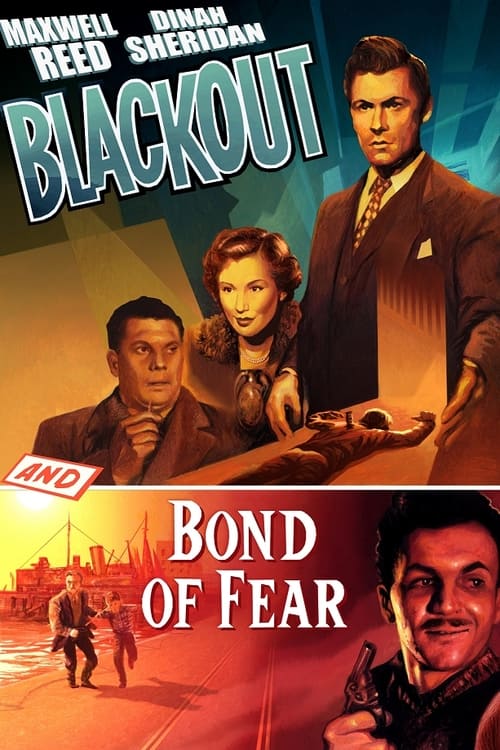
Blackout is a quintessential mid-century crime drama that prioritizes genre clichés over social complexity. The narrative revolves around a male protagonist's journey from blindness to sight, which drives the mystery but limits the depth of its representation. The film reflects the era's conventional demographic norms, lacking diverse casting and storytelling that reflects multiple aspects of identity. While the protagonist possesses ability to act, the treatment of his disability follows a common historical cliché where physical impairment is something to be 'fixed' rather than explored as a nuanced identity.
Category Breakdown
The film lacks any evidence of non-assuming gender matches what was assigned at birth gender identities or same-sex intimacy. It adheres strictly to the standard social frameworks of 1950s crime dramas.
The film centers on a male protagonist, with female roles remaining undefined. This likely reinforces traditional gender roles typical of mid-century crime dramas.
The production follows the homogeneous casting standards of 1950s Western cinema, showing no evidence of diverse characters in key roles.
The plot focuses on individual justice and standard procedures within societal norms. It does not offer a critique of Western institutions or religious structures.
The protagonist's blindness is the central narrative driver. However, the story treats disability as a problem to be solved through a miracle cure.
Present on Screen
Limited or Absent
Official Synopsis
A blind man is witness to a murder; later cured of his blindness he attempts to puzzle out the solution to the crime.
1957
1960
1955
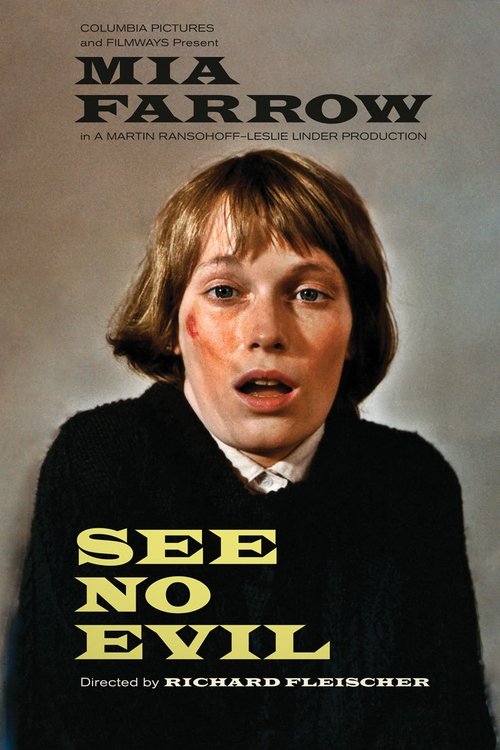
1971
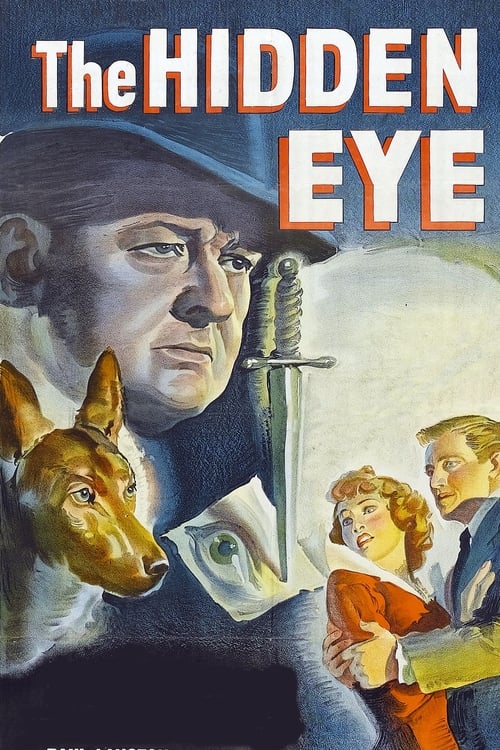
1945
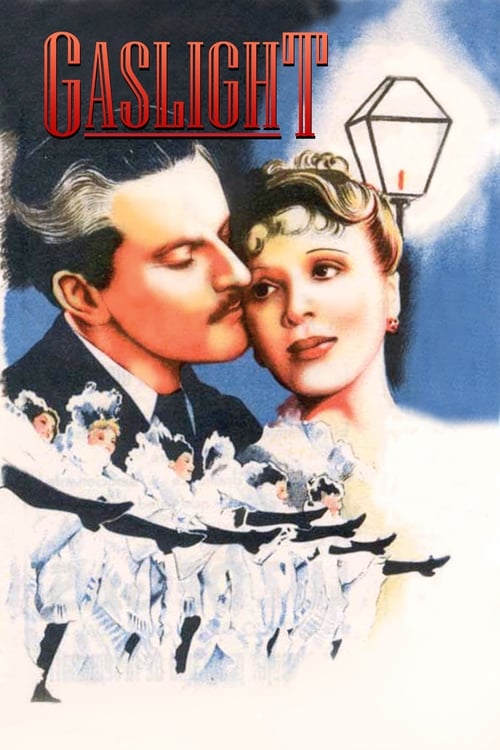
1940
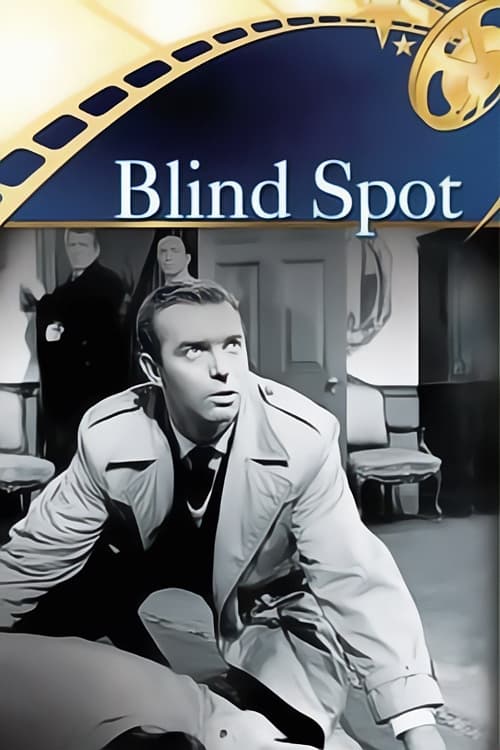
1958

1944
No reviews yet. Be the first to share your thoughts on this movie!
Use the rating form above to leave a star rating and optional review.